
The global space insurance sector is entering a new phase of growth and structural change, driven by rising satellite activity and increasingly complex missions, according to the “Space Insurance Market Report 2026” released by ResearchAndMarkets.com.
The report estimates the market will expand from $4.06 billion in 2025 to $4.43 billion in 2026, reflecting a 9.1% compound annual growth rate. Growth is being fuelled not only by a higher volume of launches, but also by a shift in the nature of insured risk as operators deploy denser constellations, undertake multi-phase missions and face tighter regulatory and liability requirements.
ResearchAndMarkets noted that insurers are increasingly exposed to cumulative risk as mega-constellations scale, increasing the total insured value in orbit. This has driven demand for more specialised underwriting and reinsurance capacity, particularly as launch delays, collision probability and third-party liability risks become more prominent.
By 2030, the space insurance market is forecast to reach $6.23 billion, growing at a CAGR of 8.9%. Longer-term growth is expected to be shaped by new categories of activity, including on-orbit servicing and refuelling, lunar missions, and commercial human spaceflight. The report also highlights the growing role of advanced actuarial models that incorporate space debris tracking and collision-risk analytics into pricing and coverage decisions.
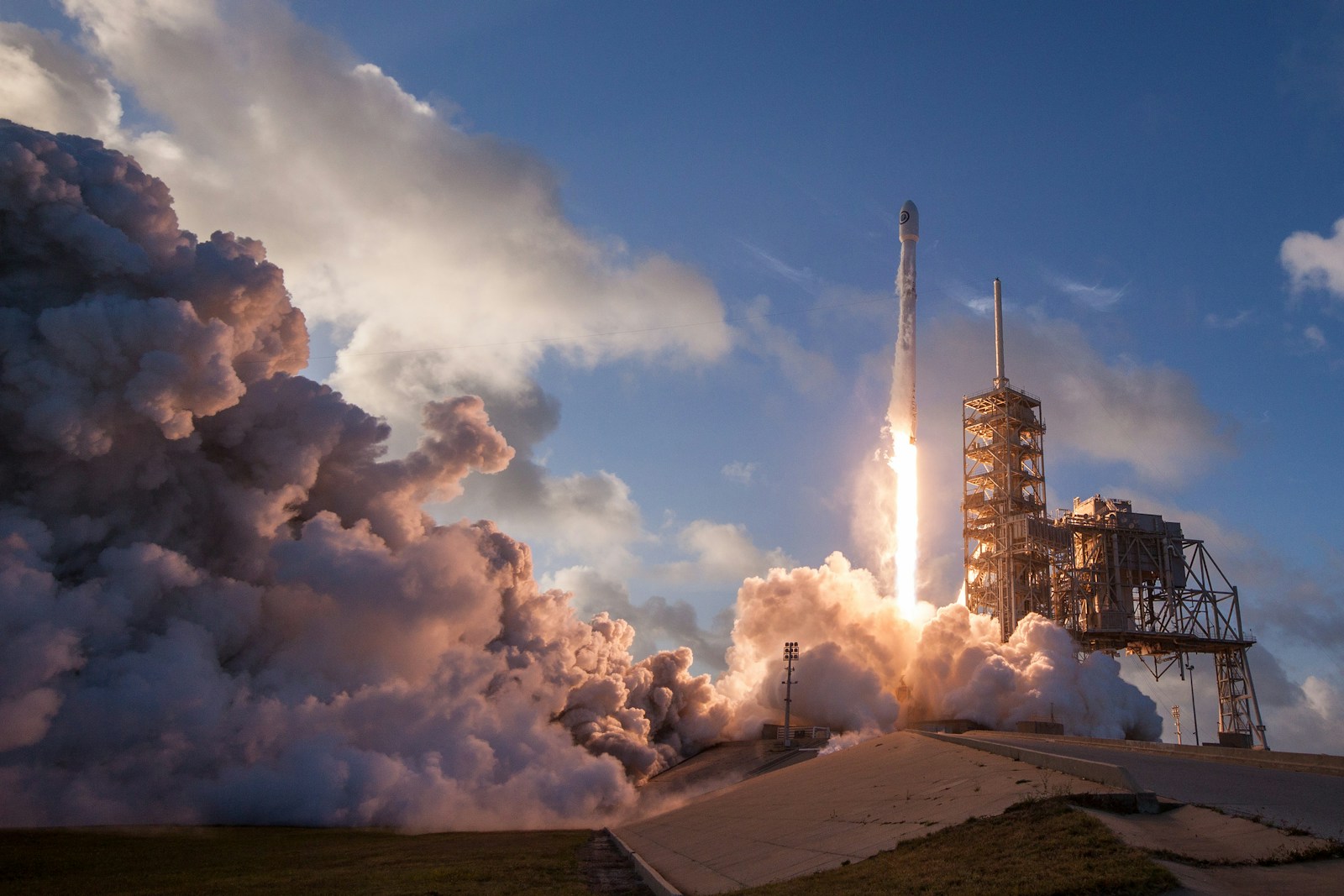
Launch activity remains a central driver. According to the Satellite Industry Association, 259 orbital launches in 2024 contributed to a sharp rise in global space-sector revenues, reinforcing the need for insurance products covering launch failures, deployment anomalies and operational risks throughout a satellite’s lifecycle.
Insurers are responding with targeted product innovation. In 2024, Tata AIG introduced India’s first in-orbit third-party liability insurance for satellites, reflecting the country’s expanding role in commercial space. Meanwhile, Tokio Marine Holdings partnered with Axelspace Holdings to integrate satellite data into insurance and disaster-response solutions.
Key players shaping the market include Munich Re, AXA XL, Tokio Marine Holdings, Tata AIG, and Lloyd’s of London.
Geographically, North America remained the largest space insurance market in 2025, supported by a mature launch ecosystem and strong private-sector participation. However, ResearchAndMarkets pointed to faster growth in Asia-Pacific and Europe as governments and private companies expand satellite manufacturing, launch services and regulatory frameworks.
The report covers insurance lines including launch, in-orbit, end-of-life, satellite and spacecraft insurance, with applications ranging from communications and Earth observation to navigation, scientific missions and emerging space habitats. End users span government agencies, commercial operators, launch providers, space tourism ventures and academic institutions.
Source: InsuranceMagz