
Volkswagen said it will adopt lithium iron phosphate (LFP) batteries in its next-generation electric vehicles starting in 2026, a move it expects will lower costs and improve the durability of its cars.
The technology will debut in the ID.3 in Europe and be integrated using a cell-to-pack design that eliminates traditional battery modules. The company said this approach reduces vehicle weight, increases efficiency, and extends battery life.
Chief Executive Thomas Schäfer described the move as “a major step forward in terms of cost and performance.”
While higher-performance models such as future GTI variants will continue to use nickel-manganese-cobalt (NMC) cells, Volkswagen expects LFP to become the backbone of its mass-market lineup. The chemistry is known for greater stability, longer charging cycles, and lower production costs compared to NMC.
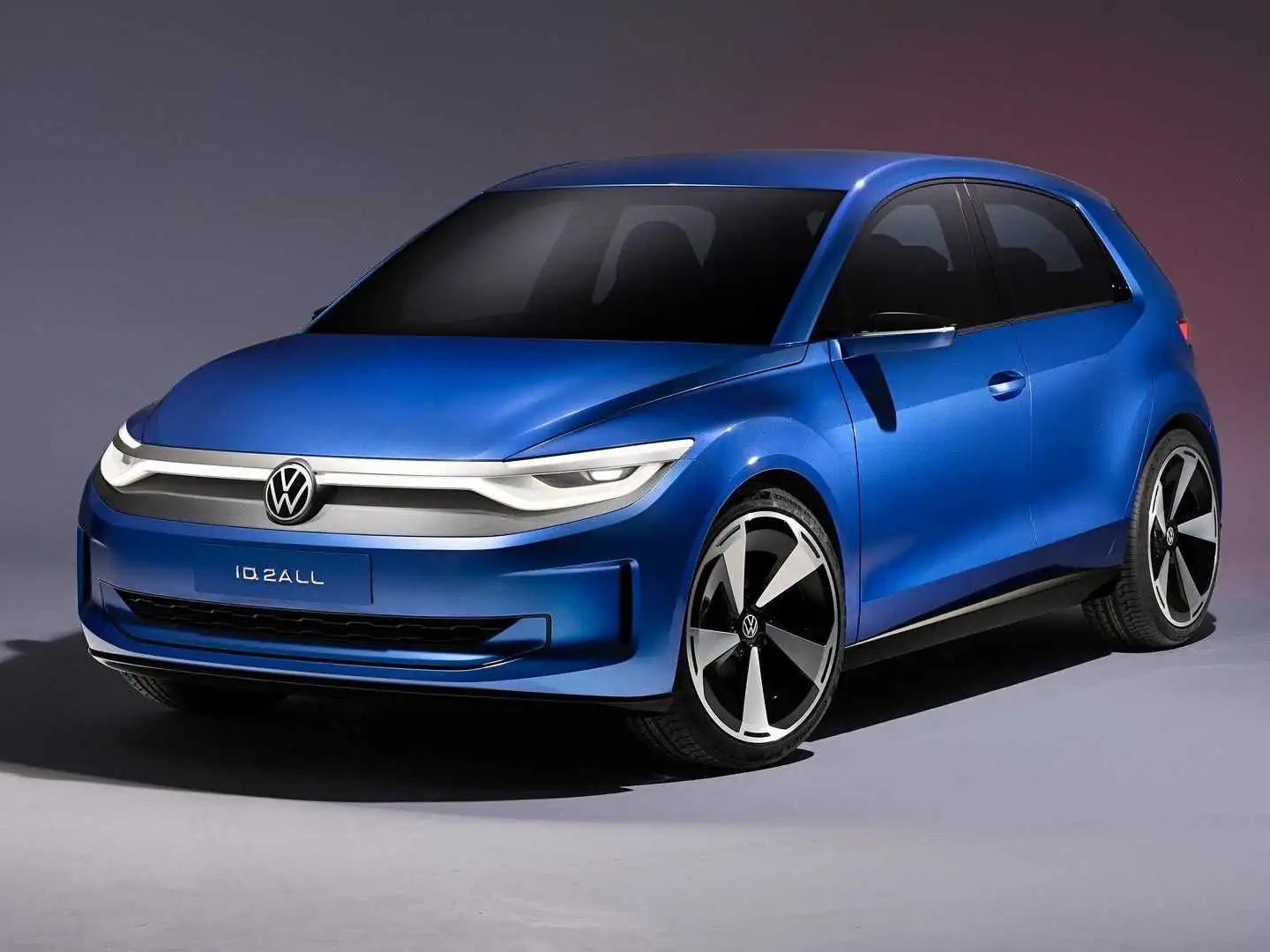
The switch will also allow the automaker to price its upcoming ID.2 entry-level EV from €25,000, with price cuts possible for the ID.3 and ID.4. Analysts say the change could help Volkswagen better compete with Tesla and BYD, both of which already rely heavily on LFP batteries.
Source: InsideEVs