
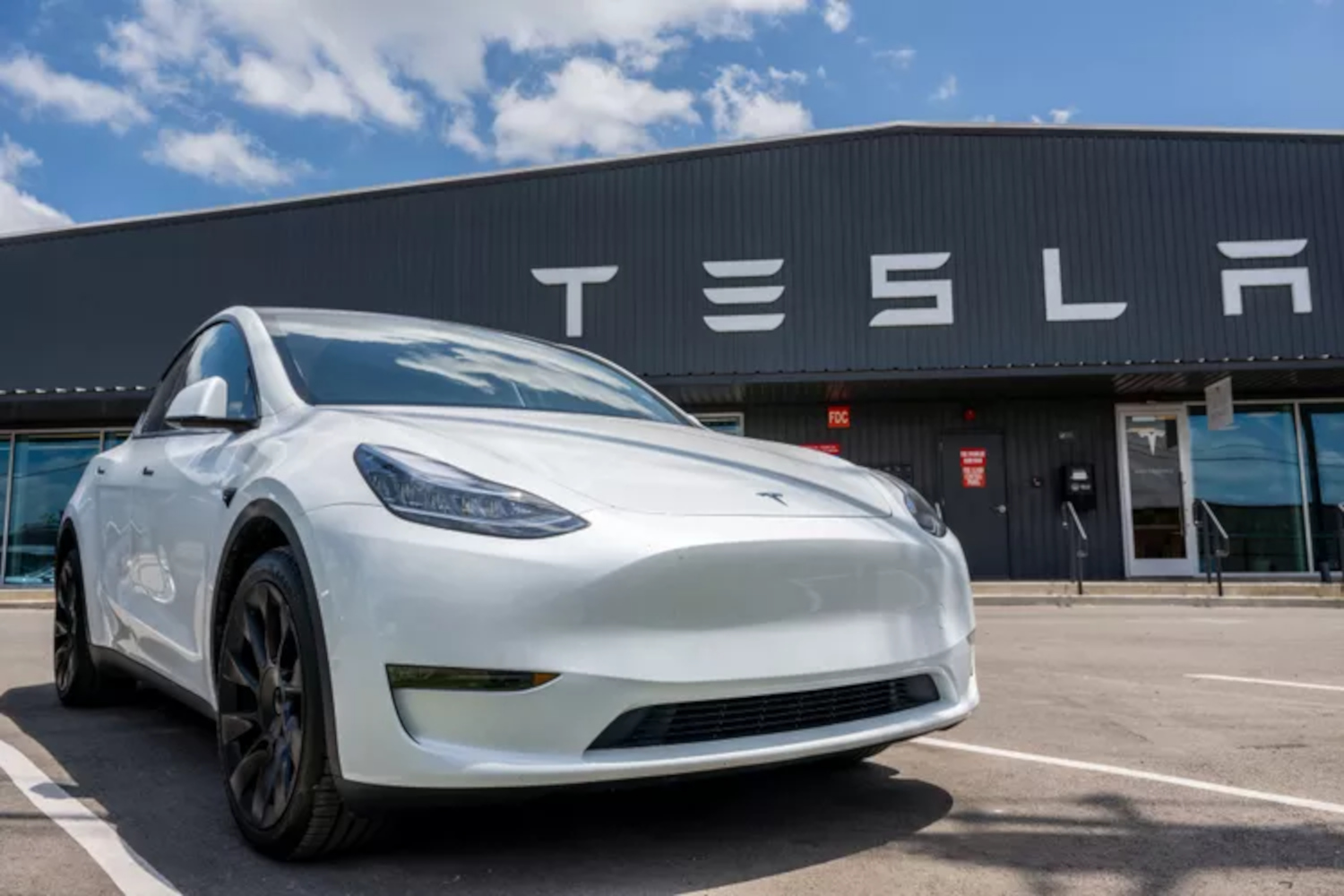
Tesla has provided new details about how its vehicles optimize charging efficiency through an adaptive battery preconditioning system. The feature warms the high-voltage battery before arriving at a Supercharger, ensuring it reaches the ideal temperature for maximum charging speed.
The company explained that the process, managed by the onboard Trip Planner, “adapts to fluctuating temperatures” to maintain optimal performance in various weather conditions. By preheating the battery based on seasonal variations and local climate data, Tesla says it can reduce overall Supercharger time by as much as ten minutes per session.
This optimization is particularly useful for Tesla models using the 400V powertrain, which caps charging speeds at 250 kW. In contrast, rival manufacturers such as BYD have introduced platforms capable of achieving up to 1 MW charging rates, allowing for significantly shorter recharge times.
While Tesla’s newer 800V Cybertruck system offers faster charging, its 4680 cells still face thermal efficiency limits. Even at 500 kW V4 Superchargers, the truck typically requires around 35 minutes to reach an 80% charge when conditions are ideal. The preconditioning system, therefore, helps narrow this performance gap by minimizing temperature-related delays.
To demonstrate the benefits of this adaptation, Tesla released a time-lapse video visualizing global temperature shifts across its Supercharger network. The footage underlines the importance of temperature-aware energy management as the company continues to refine the charging experience for its expanding electric vehicle fleet.