
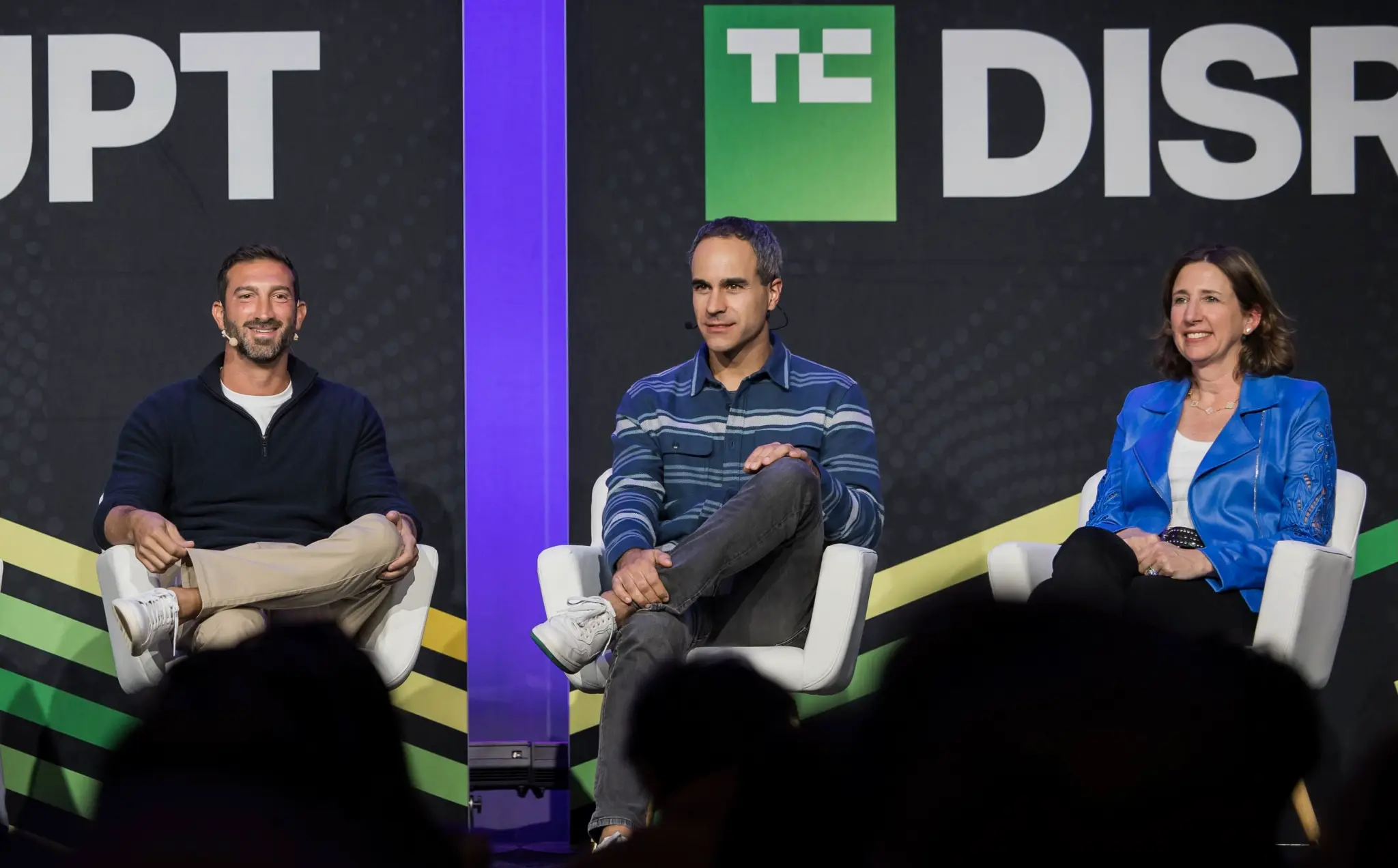
Artificial intelligence is prompting startups to rethink how they bring products to market, shifting away from conventional playbooks that dominated the sector for years. Speakers at TechCrunch Disrupt said AI tools are helping companies scale outreach and operations faster, though the technology does not eliminate the need for human-driven marketing knowledge.
Max Altschuler, general partner at GTMfund, told the event that artificial intelligence has made it possible to deploy fewer resources while maintaining operational speed, reinforcing the idea that “you can do more with less than ever before.” He added that while developers can be directed at go-to-market (GTM) challenges, founders still need advisors who understand established sales methodologies.
See also: New ChatGPT Shopping Tool Promises Faster, Deeper Product Research
Alison Wagonfeld, vice president of marketing at Google Cloud, emphasized that even AI-focused teams must retain fundamental marketing skills. She said companies still require an understanding of customer insights, market research and creative development, noting that “the craft of marketing is still very much required” despite the growing use of automation.
Marc Manara, head of startups at OpenAI, said many early-stage companies are incorporating AI into GTM strategies not only to reduce cost, but also to increase precision. He described a shift toward deeper personalization and signal-based targeting, saying the industry is entering a phase in which AI helps lead-generation tools go beyond simple database queries and instead identify prospects that match specific criteria.
See also: xAI Releases Grok 4.1 With Higher Benchmark Scores and Expanded Chat Abilities
Hiring practices in GTM teams may also be changing. Wagonfeld said companies once prioritized narrow specialists in marketing or sales but now increasingly value adaptability and willingness to experiment. She described curiosity and broad understanding as “almost the top thing to hire for now” as startups seek to combine AI-driven productivity with traditional, experience-based execution.
Source: TechCrunch