
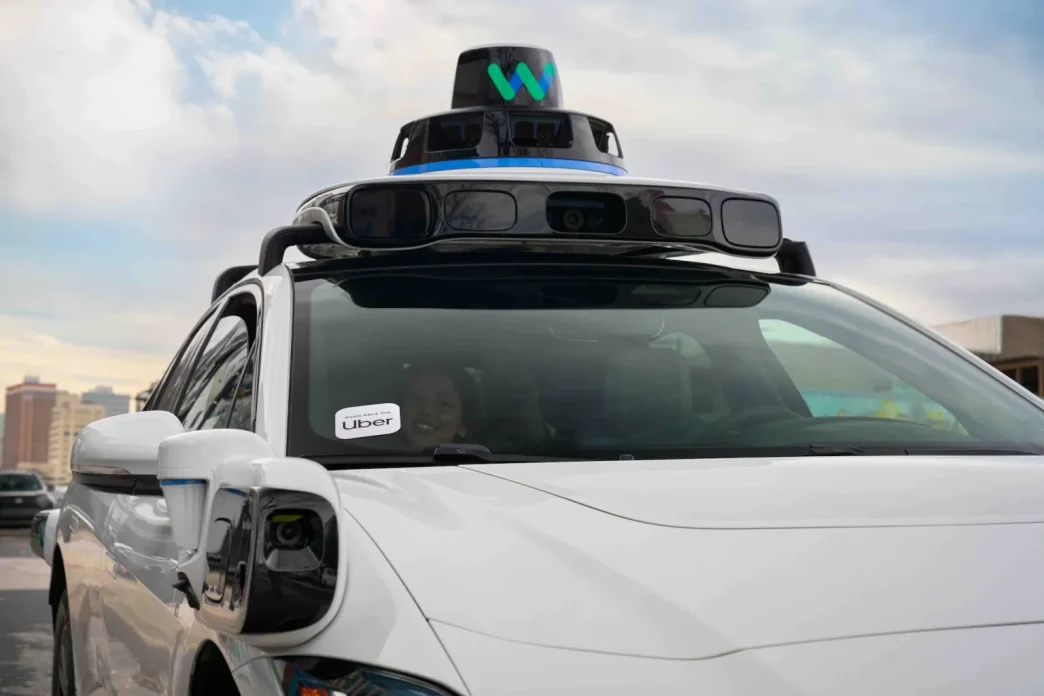
Waymo Ends Uber Robotaxi Partnership in Phoenix
Waymo has ended its robotaxi partnership with Uber in Phoenix, Arizona, marking the conclusion of nearly three years of collaboration in the city where the companies first tested commercial autonomous ride-hailing services together.
Waymo vehicles are no longer available through the Uber app in Phoenix. Passenger ride services through Uber ended in May 2026, following the conclusion of the partnership’s autonomous food delivery program in May 2025.
Phoenix was unique because it was the only U.S. market where Waymo simultaneously offered autonomous rides through both its own app and Uber’s platform. It also served as the launch city for Waymo’s first fully paid public robotaxi service in 2020.
Collaboration Continues in Austin and Atlanta
Although the Arizona pilot has concluded, Waymo and Uber will maintain their partnership in Austin and Atlanta, where Waymo’s autonomous vehicles remain exclusively available through Uber.
According to Uber, the Phoenix deployment was intentionally small and served as an important learning experience before larger commercial rollouts.
“Phoenix was our first pilot market with Waymo and was an intentionally limited deployment, reaching just over a dozen vehicles dedicated to the program. We learned a lot from that collaboration, which helped us to quickly scale Austin and Atlanta, where hundreds of Waymo AVs are available exclusively on Uber and our coverage area continues to expand,” Uber said.
The companies said insights gained from the Arizona program helped improve fleet operations and accelerate expansion into larger metropolitan markets.
Waymo Expands Direct-to-Consumer Strategy
The conclusion of the Phoenix partnership aligns with Waymo’s broader strategy of expanding its own ride-hailing platform rather than relying primarily on third-party mobility providers.
The company has announced new operations in Dallas, Houston, and Miami while continuing to strengthen its customer-facing services across the United States.
Waymo now operates approximately 4,000 autonomous vehicles across more than 10 U.S. cities and completes over 500,000 paid passenger trips every week, underscoring the rapid commercial growth of its robotaxi business.
The company has also introduced a subscription membership program in San Francisco, Los Angeles, and Phoenix that offers members priority pickups and ride credits through its own application.
Uber Diversifies Its Autonomous Vehicle Network
While Waymo expands independently, Uber has continued building a multi-partner autonomous vehicle ecosystem.
The ride-hailing company has signed agreements with more than a dozen autonomous driving developers, including Zoox, WeRide, Avride, Baidu, Waymo, and Wayve, allowing the platform to support robotaxi services from multiple technology providers rather than relying on a single operator.
This strategy enables Uber to broaden autonomous ride availability while giving customers access to different self-driving vehicle technologies across various markets.
Competition in Robotaxis Continues to Intensify
The relationship between Waymo and Uber has changed considerably over the past decade. After resolving a high-profile legal dispute involving autonomous driving technology in 2018, the companies formed a commercial partnership in 2023 that initially focused on Phoenix.
However, recent developments suggest the companies are increasingly pursuing separate growth strategies.
Uber Chief Technology Officer Praveen Neppalli Naga recently criticized Waymo’s driving behavior following a widely circulated autonomous vehicle incident, highlighting growing differences between the companies as competition in the sector increases.
The rivalry is expected to become even more visible later this year when both companies expand into London. Waymo plans to launch its first international commercial robotaxi service through its own mobile application, while Uber intends to introduce autonomous rides using technology from British autonomous driving developer Wayve.
As the autonomous mobility industry matures, both companies appear focused on expanding their own ecosystems while continuing selective collaborations in markets where strategic partnerships remain beneficial.
Source: EVMagz