
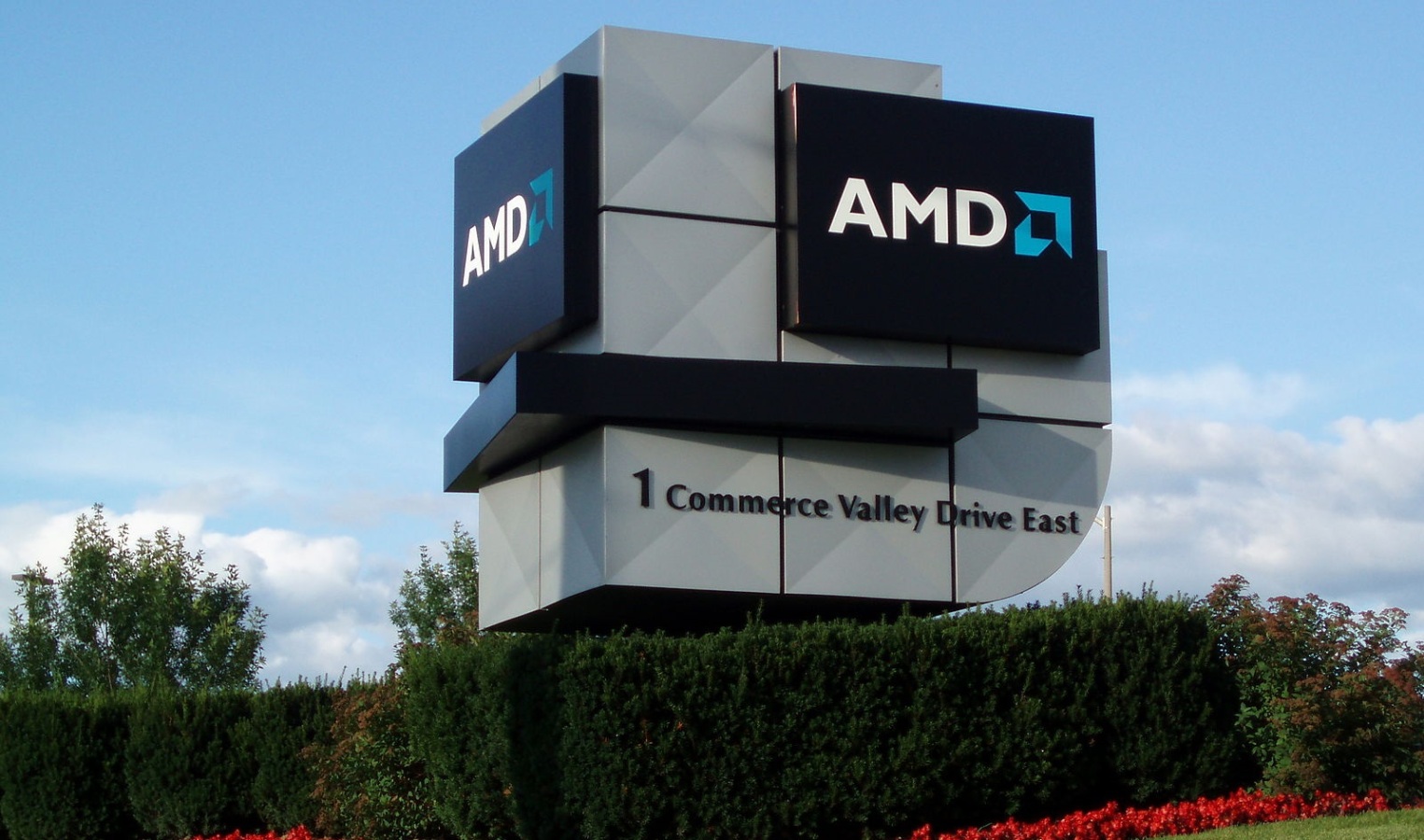
Advanced Micro Devices Chief Executive Lisa Su said demand for server processors has surged beyond earlier forecasts as artificial intelligence deployments accelerate across data centers.
Speaking at the Morgan Stanley Technology, Media & Telecom Conference, Su said many customers had underestimated the amount of CPU computing capacity required to support AI infrastructure.
“If you talk to our top customers, they’re like: ‘Wow… Lisa, the demand for CPU compute sitting along AI was perhaps something that was under-forecasted.’ We are in the process of catching up,” she said.
The increased demand has been linked in part to the rise of agentic AI applications, which rely on combinations of CPUs and GPUs to manage complex workloads. Su said AMD is working with customers to address supply constraints as CPU supply chains tighten.
Earlier this month, AMD introduced its fifth-generation AMD Epyc 8005 processors, designed for distributed and compute-intensive workloads such as virtualized radio access networks (vRAN). The chips, codenamed Sorano, were unveiled ahead of Mobile World Congress in Barcelona.
The processors are designed for edge computing deployments and can support up to 84 Zen 5 cores, delivering compute density of up to 225 watts. AMD said the platform is intended to support telecom infrastructure as vRAN adoption expands.
Demand for server CPUs has also risen across the broader semiconductor industry. Intel Chief Financial Officer David Zinsner previously said the company underestimated demand for data center processors and is shifting more manufacturing capacity toward the segment.
Intel expects the global CPU shortage to persist into fiscal 2026, with supply conditions likely to improve gradually after the first quarter.
Meanwhile, Nvidia has expanded its presence in the CPU segment through new partnerships with Meta Platforms, which plans to deploy Nvidia’s Grace processors at scale. Meta has also agreed to become a lead customer for AMD’s upcoming Venice CPUs and Verano Epyc processors targeted for release later in the decade.
Source: DataMagz