
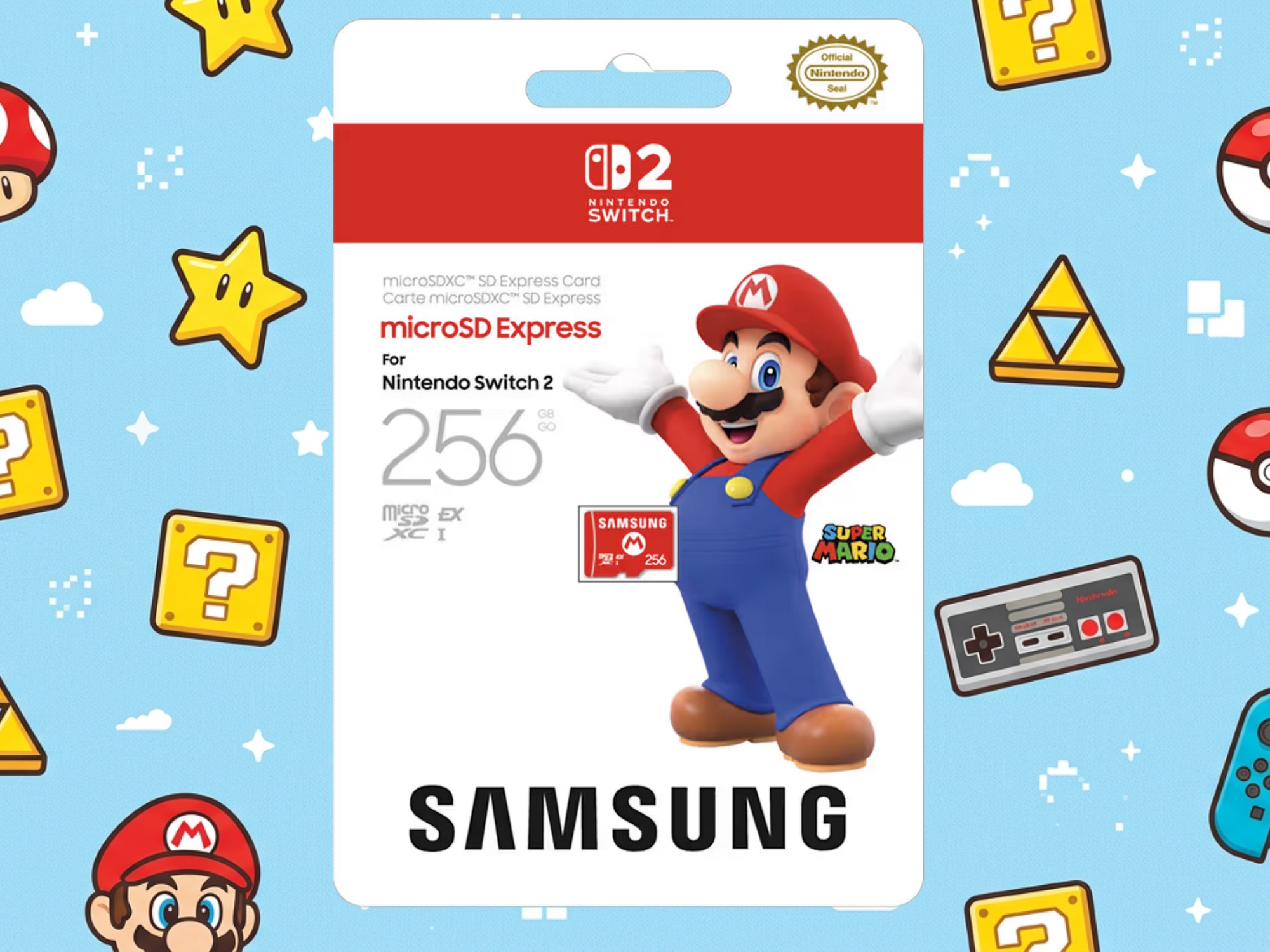
Rising memory prices may be affecting game purchases for the Nintendo Switch 2, as higher storage costs prompt some users to limit new downloads.
The console includes 256GB of internal storage, but larger game installations and downloadable content are quickly filling available capacity. Players needing additional storage must rely on MicroSD Express cards, which have become more expensive as global demand for memory chips increases.
Bloomberg reporter Takashi Mochizuki cited a report by TrendForce that forecasts significant increases in NAND flash pricing. The research predicts “as much as a 90% increase in NAND contract prices this quarter,” driven partly by rising demand from artificial intelligence data centers.
The higher costs have already been visible in Japan, where MicroSD Express cards have become more expensive since the console launched. Although prices remain stable in some other markets, Nintendo has reportedly taken steps to avoid retail price increases by allowing lower margins for its first-party accessories.
Despite strong console sales, Nintendo’s financial results suggest that players are purchasing fewer games per device than with the original Switch. By the end of 2025, the company reported that 2.18 games had been sold for each Switch 2 console, compared with 3.88 titles per console at a similar point in the lifecycle of the original system.
The limited storage capacity has become more noticeable as game file sizes increase. Some third-party titles, including Final Fantasy VII Remake Intergrade, require downloads exceeding 90GB.
In addition, some publishers such as Square Enix have used so-called Game-Key Cards, which contain only part of the game data on physical cartridges and require additional downloads to play.
As a result, players often need to purchase extra storage or remove existing content before installing new titles.
According to Mochizuki, the situation could eventually affect third-party support if developers face difficulties distributing larger games on the platform. Analysts cited in the report also expect memory and storage prices to remain elevated for several years, with some forecasts suggesting that costs may not stabilize until around 2028.
Source: Smashfreakz