
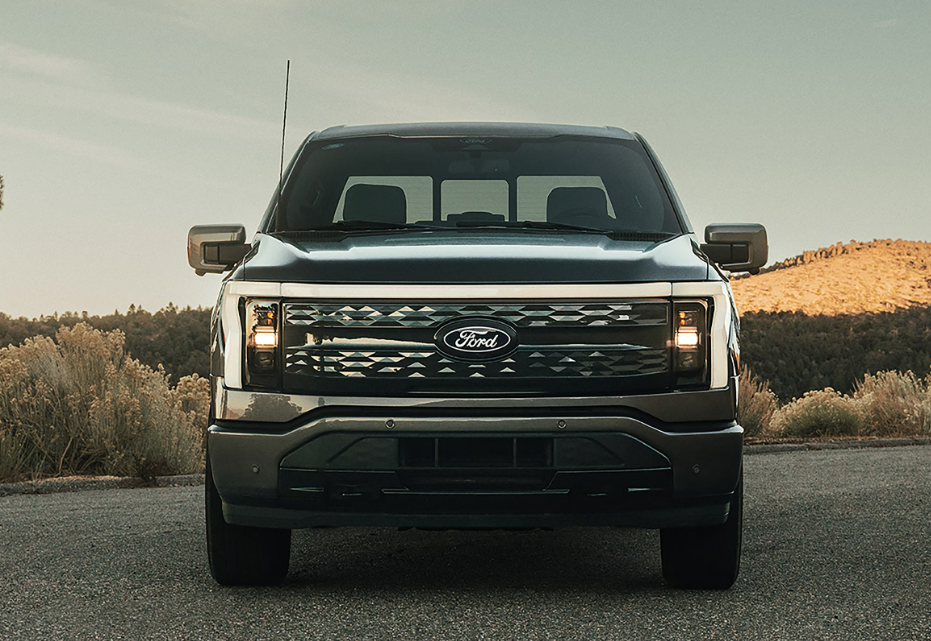
Ford Motor has paused production of its electric F-150 Lightning pickup truck, underscoring the challenges facing the U.S. automaker as demand for electric trucks remains uneven and losses in its electric vehicle business continue to mount.
The F-150 Lightning, launched as an all-electric version of Ford’s best-selling pickup, initially attracted strong interest but has since seen sales momentum fade. Electric pickups typically carry higher prices than gasoline-powered models and face additional obstacles such as charging infrastructure limitations and range concerns, particularly for customers who rely on trucks for towing or long-distance travel.
See also: Tesla Offers Extended Battery Warranty as Optional Purchase
Ford’s EV unit has reported multibillion-dollar losses over the past year, prompting the company to cut costs, scale back planned production volumes and delay several future electric vehicle programs. Executives have repeatedly said that adoption of fully electric vehicles is progressing more slowly than anticipated.
As part of its revised strategy, Ford has increased its focus on hybrid vehicles, which it says continue to generate steadier demand and offer more predictable profitability in the near term. The company has described the production pause as part of a broader reassessment of EV timelines and volumes rather than a retreat from electrification. In a statement referenced in the original report, Ford said the move “does not mean that they are exiting the EV space entirely.”
See also: Nissan Sets Fuel Efficiency Record With New Hybrid Sedan Developed With Dongfeng
Policy shifts have also weighed on the market. Reduced federal support for electric vehicles under President Donald Trump has weakened consumer incentives that previously helped offset higher upfront costs, adding uncertainty for automakers planning future EV investments.
Ford said it will continue developing next-generation EV platforms while reviewing production levels and launch schedules, balancing longer-term electric ambitions with near-term demand and financial pressures.
Source: AP News