
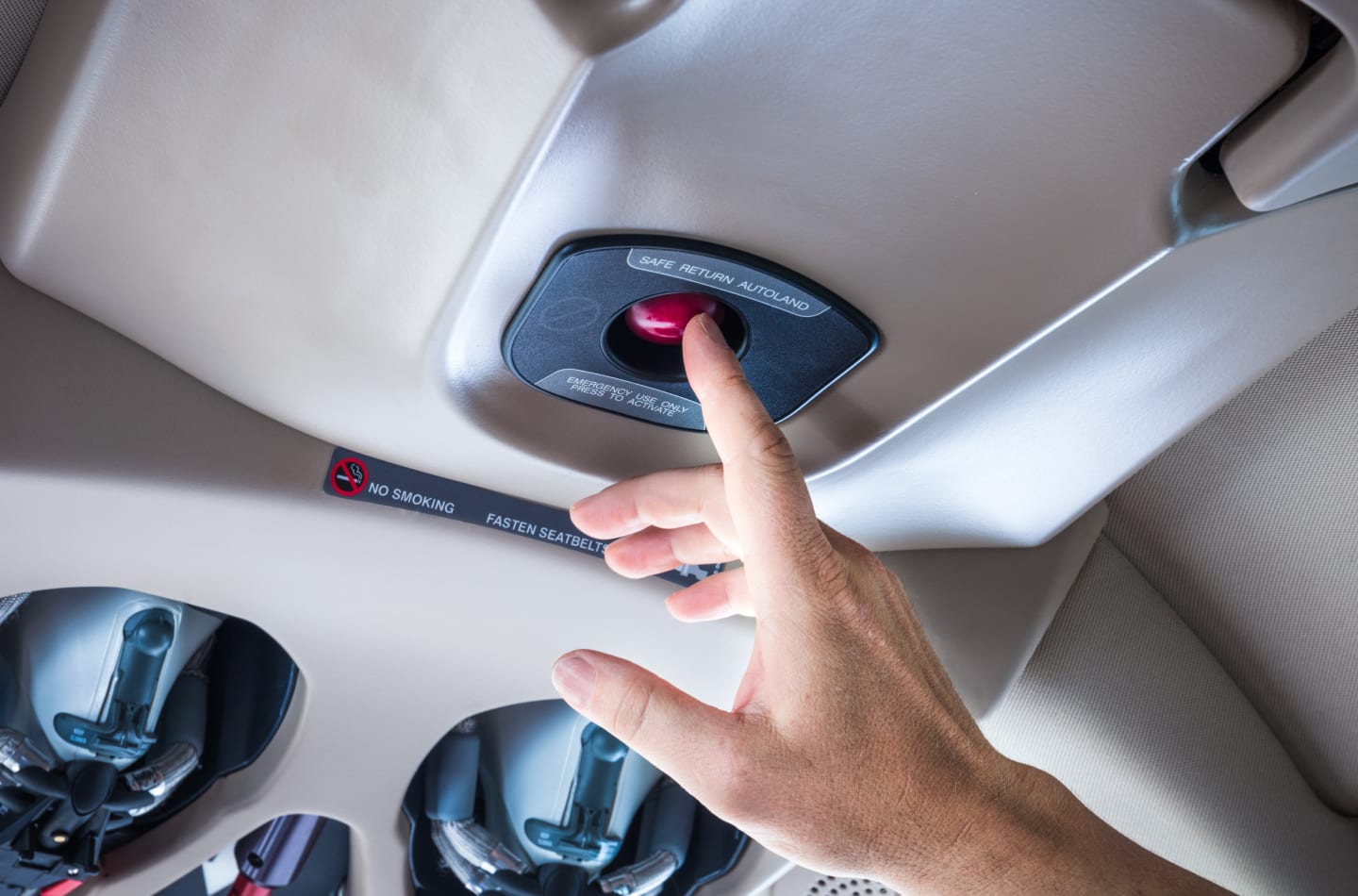
An automated flight safety system developed by Garmin successfully carried out an emergency landing of a small passenger aircraft in late December, an incident that aviation specialists say highlights the growing role of automation in improving flight safety.
The event involved a King Air 200 aircraft that landed safely on Dec. 20, 2025, after a loss of cabin pressure prompted the use of Garmin’s Autoland system. The aircraft, typically operated with a single pilot, was able to descend and land without further incident, and no injuries were reported.
See also: Garmin Prepares Possible Vivosmart Update After Three-year Gap
Garmin Autoland is designed to automatically take control of an aircraft if a pilot becomes incapacitated, though it can also be activated manually by the pilot or a passenger. Beyond controlling the flight and landing, the system communicates directly with air traffic control, sharing key information such as the aircraft’s position, estimated landing time and distance to the selected airport.
“According to Garmin, the system first identifies the best airport based on factors such as runway length and remaining fuel and then steers the aircraft in that direction,” the article said. Air traffic controllers can then clear the runway, alert nearby pilots and dispatch emergency services while passengers onboard receive automated updates.
See also: Garmin Launches DriveTrack 72 With Expanded in-vehicle Dog Tracking Features
Unlike ballistic recovery parachute systems used on some light aircraft, which are intended to reduce fatalities but often result in damage, Autoland aims to preserve the aircraft by completing a conventional landing. The incident marks one of the first real-world uses of the technology in an emergency involving a pressurised aircraft, underscoring its potential to save lives during rare but critical in-flight failures.
Source: CNBC