
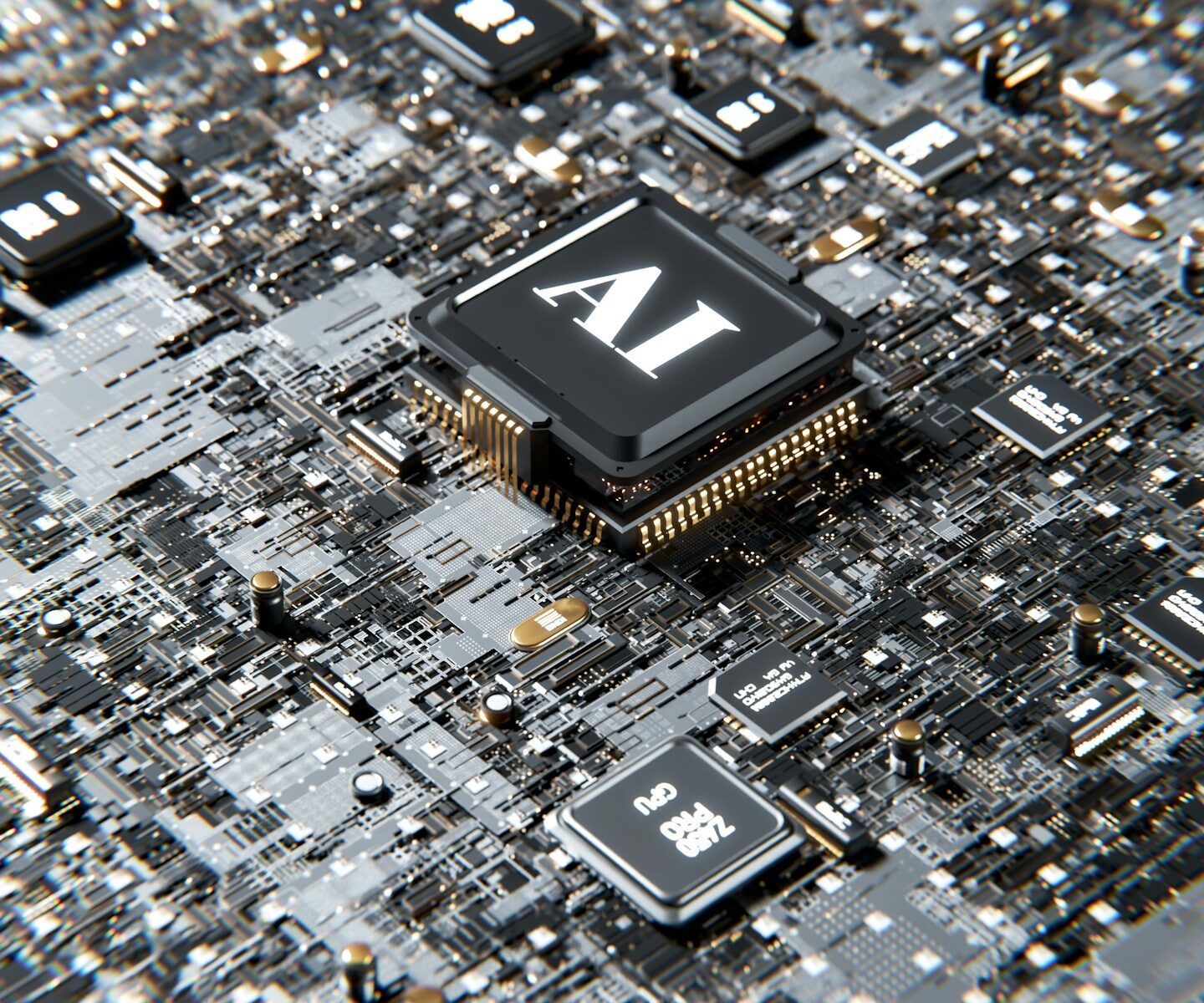
SK Hynix said it plans to offer nearly 17.8 million American depositary receipts (ADRs) in the United States, seeking to broaden its investor base as demand for artificial intelligence-related memory chips continues to strengthen.
The South Korean memory chip manufacturer said each ADR will represent one-tenth of a common share. The securities are expected to be priced on Thursday, with trading scheduled to begin on Friday.
Based on the company’s closing share price in Seoul last Friday, media estimates suggest the offering could raise as much as $28 billion, although the final proceeds will depend on the pricing of the ADRs.
AI Boom Continues to Support Memory Chip Demand
SK Hynix has benefited from growing demand for memory products used in AI infrastructure, including high-bandwidth memory (HBM), DRAM, and NAND flash. These components are widely used in data centers and AI systems that require large amounts of memory to process complex workloads.
The company reported that its first-quarter revenue nearly tripled from the same period a year earlier. Its share price has also risen significantly this year as investors continue to favor companies supplying hardware for AI applications.
Demand has been supported by continued investment from major cloud service providers, including Amazon, Microsoft, Google, and Oracle, which are expanding AI-focused data center capacity. The rapid growth has contributed to tight supply conditions across several categories of memory chips.
Industry Expands Manufacturing Capacity
SK Hynix and fellow South Korean chipmaker Samsung Electronics have announced plans to invest more than $550 billion in expanding semiconductor manufacturing capacity to meet anticipated long-term demand.
However, industry analysts have noted that large-scale capacity expansion carries risks if AI-related memory demand changes before the new facilities begin production, potentially leading to excess supply and downward pressure on prices.
Micron Technology, one of SK Hynix’s main competitors in the United States, has also benefited from strong demand for AI memory products, reflecting broader investor interest in companies supplying critical components for artificial intelligence infrastructure.