
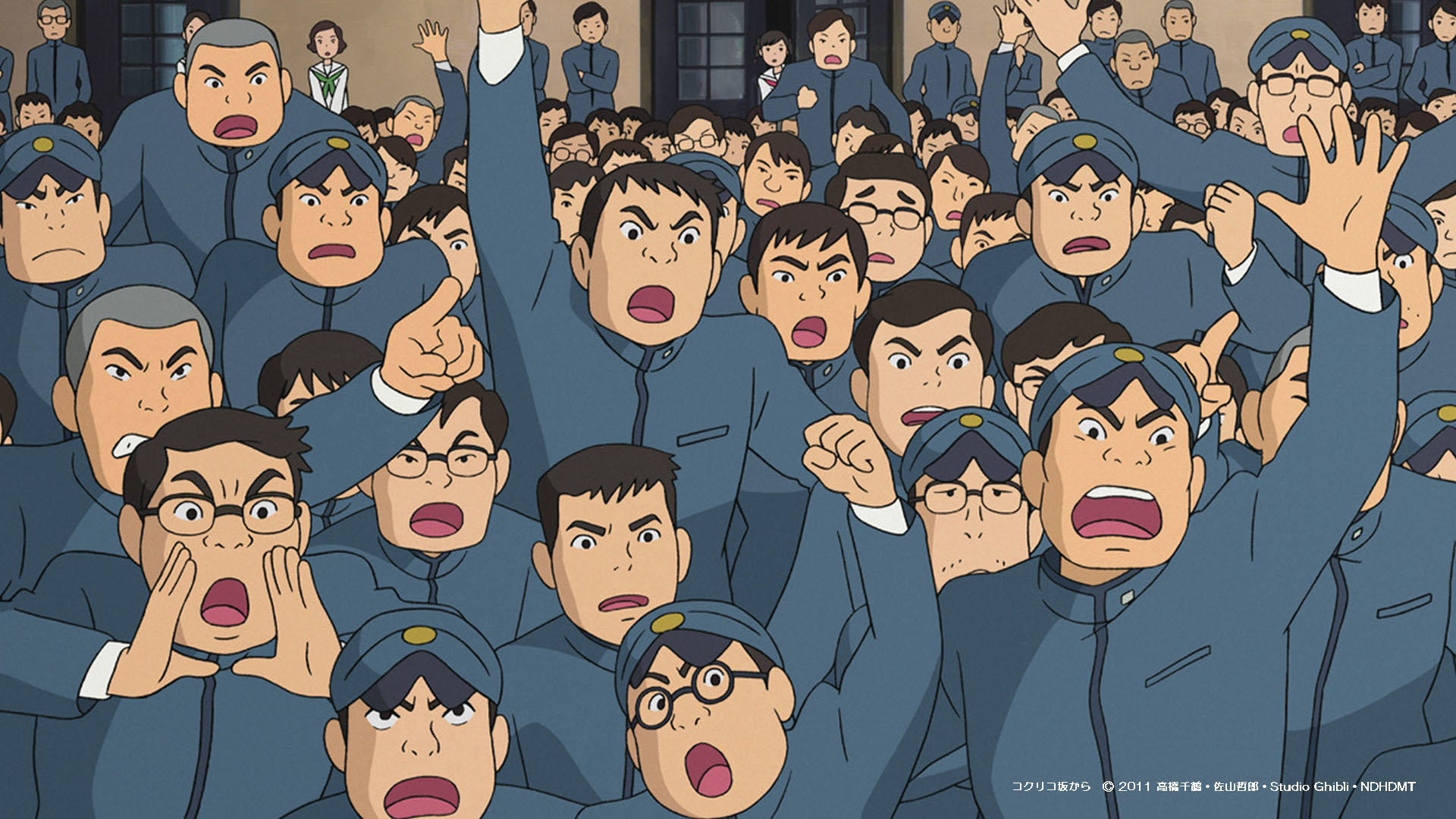
A Japanese trade group representing major publishers, including Studio Ghibli, has called on OpenAI to stop training its artificial intelligence models on copyrighted material without authorization. The group, Japan’s Content Overseas Distribution Association (CODA), sent a letter last week urging the U.S.-based company to change its data practices.
The move comes as concerns grow among creative industries about how AI systems use protected works. Studio Ghibli — the animation studio behind films such as Spirited Away and My Neighbor Totoro — has been particularly affected by users generating images and videos mimicking its art style through OpenAI’s products. When ChatGPT’s built-in image generator launched in March, “Ghibli-style” recreations quickly became a viral trend, with even OpenAI CEO Sam Altman adopting a stylized profile image.
CODA’s letter specifically referenced OpenAI’s Sora video generator, which allows users to create short clips using text prompts. The organization argued that replicating distinctive artistic elements could breach Japan’s copyright law. In its statement, CODA said the act of reproducing or closely imitating copyrighted works during machine learning “may constitute copyright infringement” under domestic law, which generally requires prior permission for such use.
OpenAI’s broader approach to copyrighted data — often described as “train first, seek forgiveness later” — has drawn global scrutiny. The company has faced criticism from major rights holders, including Nintendo and the estate of Martin Luther King Jr., over concerns about digital recreations of protected or deceased figures. Legal experts note that current U.S. copyright legislation, last updated in 1976, offers little clarity on whether training AI models with copyrighted materials constitutes infringement.
A recent U.S. court ruling involving Anthropic suggested that model training might not violate copyright law outright, though the company was fined for acquiring data through unauthorized means. CODA contends Japan’s legal framework differs and does not allow for retroactive permissions to absolve liability.
Studio Ghibli co-founder Hayao Miyazaki has previously voiced strong opposition to AI-generated art. In 2016, after being shown an AI-made animation, he described the experience as “an insult to life itself,” reflecting a long-standing resistance among traditional artists to machine-generated creativity.
Source: TechCrunch