
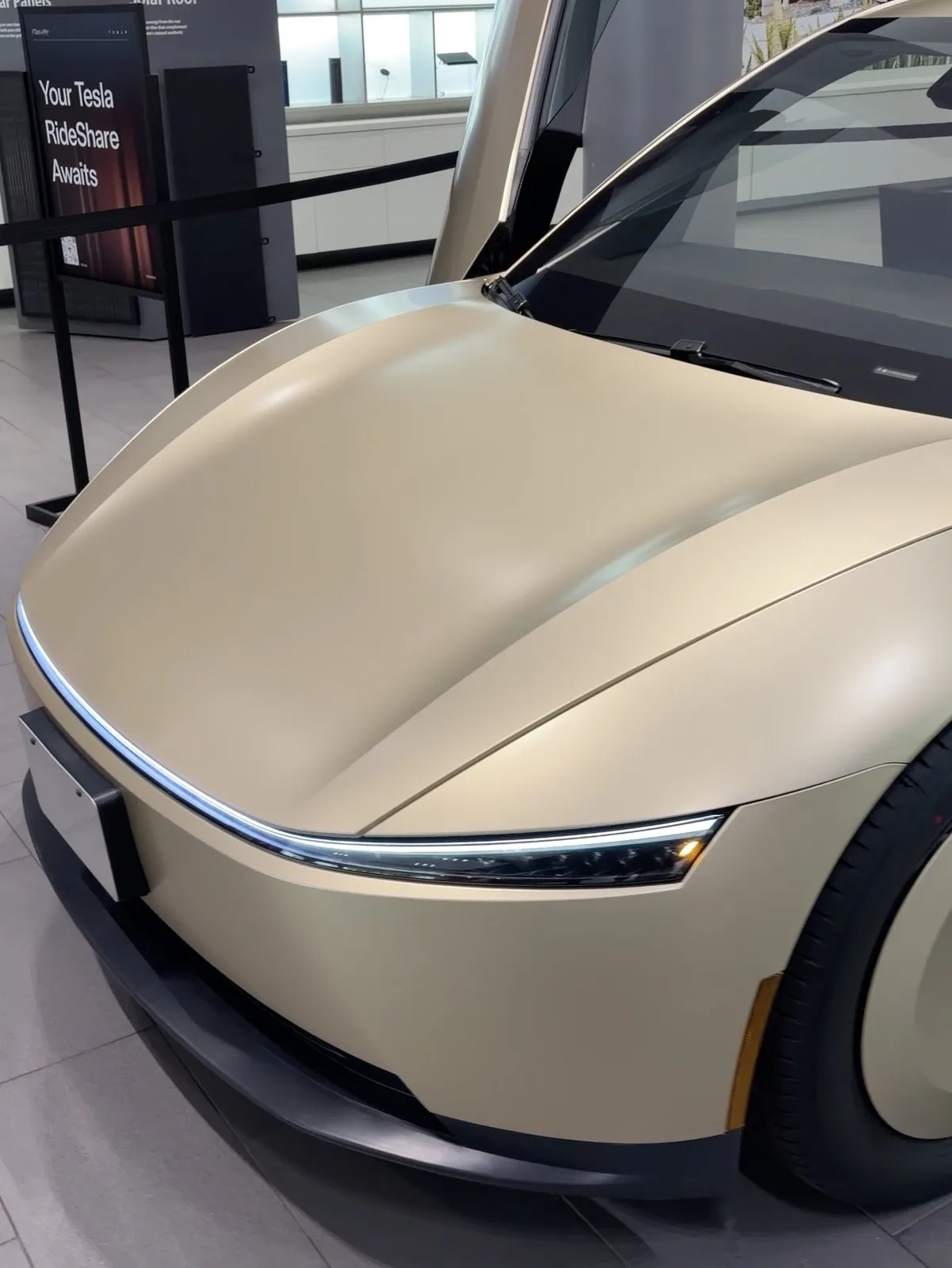
Tesla is preparing to introduce its first vehicle without a steering wheel or pedals into its Robotaxi fleet in 2026, as the electric vehicle maker pushes ahead with plans to expand paid autonomous ride services using a purpose-built model known as the Cybercab.
The production-ready Cybercab has recently been spotted on public streets in downtown Austin, Texas, where Tesla began testing its Robotaxi ride-share platform. The company has been trialling earlier versions of the vehicle on factory grounds since it was unveiled in October 2024 and has now started limited real-world testing ahead of mass production.
Tesla has made extensive design changes to the Cybercab to improve passenger comfort and durability. Updates include redesigned seating, additional USB-C ports, new ambient lighting, a revised trunk lining, frameless windows, powered doors and struts, updated lighting elements and a reworked dashboard featuring a recessed 21-inch display. The exterior has also been refined, with changes to body panels, wheels and aerodynamic elements based on testing feedback.
The Cybercab is expected to join Tesla’s Robotaxi platform alongside owner vehicles in 2026, potentially after the company integrates its FSD 14 Unsupervised software into the broader Full Self-Driving system offered to customers. Tesla aims to use the lower-cost, purpose-built vehicle to scale the service and reduce operating expenses.
See also: Tesla Tests Pedal-free Cybercab on Public Streets Ahead of Planned Robotaxi Expansion
Tesla Chief Executive Elon Musk has previously said that rides in the Cybercab could eventually cost as little as $0.30 per mile once production reaches scale and supporting infrastructure is in place. “It could be as low as $0.30,” Musk has said, referring to future pricing targets. Current Robotaxi fares typically range from about $1.25 to $2 per mile, suggesting Tesla may adjust pricing as the fleet expands and cheaper vehicles are introduced.