
China has introduced the world’s first national framework to categorize and certify solid-state batteries, a step designed to accelerate commercialization as domestic manufacturers compete to lead the next phase of electric vehicle battery technology.
The new standard differentiates batteries based on how much liquid remains in the electrolyte. Cells containing around 95% solid material, previously described as semi-solid, are now formally classified as hybrid solid-liquid batteries, setting them apart from fully solid-state batteries that use entirely solid electrolytes.
See also: Verge Plans U.S. Launch of Solid-state Battery Electric Motorcycle
Industry participants see hybrid solid-liquid batteries as a practical bridge toward fully solid-state technology. These cells offer higher energy density and improved safety compared with conventional liquid-based lithium-ion batteries, while avoiding some of the high costs and manufacturing challenges associated with fully solid-state designs.
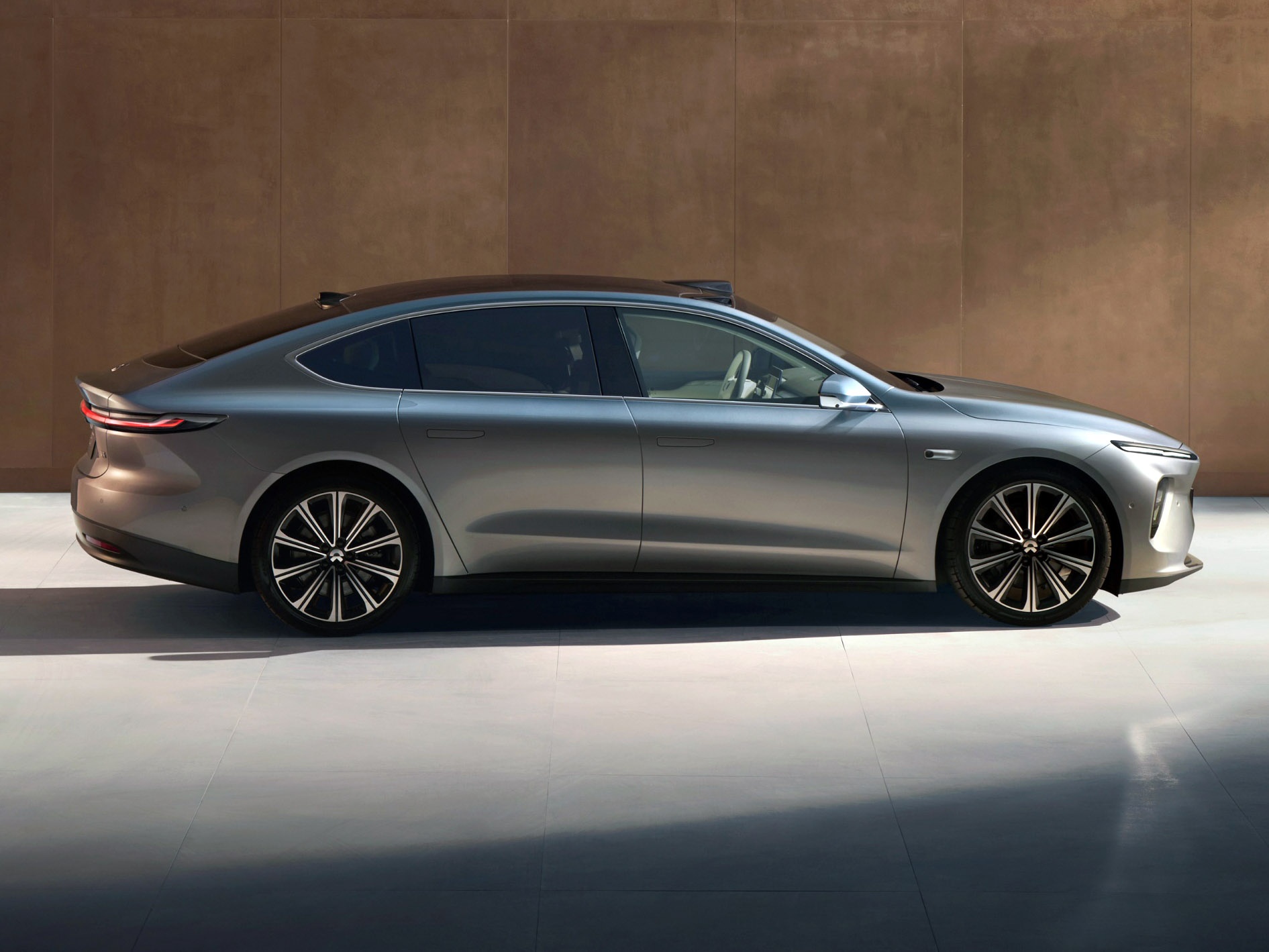
The classification reflects lessons from recent development efforts. Carmaker NIO worked with startup WeLion to produce a solid-liquid battery pack capable of delivering more than 650 miles of range for its ET7 sedan after larger suppliers initially questioned the feasibility of the technology. The result helped shift perceptions across the sector.
See also: Redwood Materials Rolls Out AI-Powered Battery Bin Deposit System
Momentum is now building around scaled production. Startup Hylic has begun constructing what it describes as the first dedicated production line for solid-liquid batteries, targeting energy densities significantly higher than today’s average EV batteries and sufficient durability for mass-market use. The move is expected to support electric vehicles with 500–600 miles of range at more manageable costs, while also supplying batteries for applications such as robotics and drones.
Source: CNC