
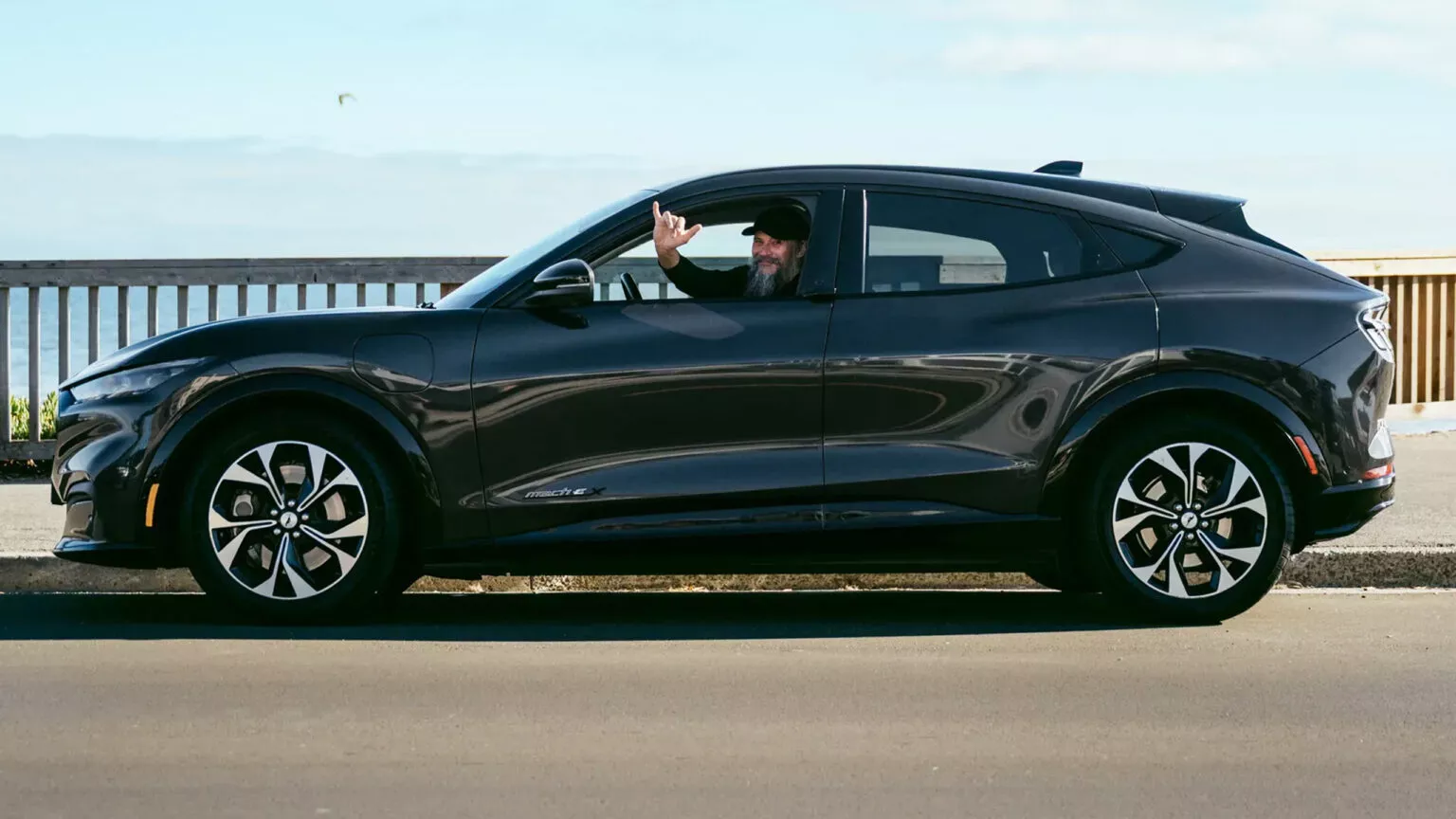
The Ford Mustang Mach‑E, introduced by Ford Motor in 2020, has become a steady presence in the electric vehicle market despite ongoing debate over its position within the automaker’s lineup and competition from rivals such as the Tesla Model Y.
One owner in Santa Cruz, California, has taken the electric SUV far beyond typical driving levels. David Blenke said he has driven more than 316,000 miles (about 508,500 kilometers) in his Mach-E Premium with the extended-range battery since purchasing the vehicle in June 2022.
Blenke operates a private car service in the Santa Cruz area and said the vehicle has transported more than 7,000 passengers during that time. He purchased the car during the global semiconductor shortage and initially faced a wait of about nine months before locating an available vehicle in nearby Monterey.
The high-mileage Mach-E drew attention from Ford when it surpassed 250,000 miles last year. Blenke said the vehicle’s battery capacity has declined by roughly 8% despite the extensive usage.
According to him, the vehicle continues to deliver close to 300 miles (about 482 kilometers) of range on a full charge.
Battery degradation remains a concern for many potential electric vehicle buyers. However, Blenke’s experience appears to compare favorably with broader industry data.
EV analytics firm Recurrent has reported that most electric vehicles exceeding 250,000 miles typically retain about 80% of their original battery capacity. If Blenke’s estimate is accurate, his Mach-E would retain around 92% of its original capacity.
Blenke said the vehicle has required routine maintenance such as six sets of tires, seven cabin air filters and more than twenty scheduled inspections at 10,000-mile intervals. He added that the car has not required any repairs and still uses its original brake components.
He attributes part of the battery’s longevity to his charging routine. The vehicle is usually charged to about 90% overnight and rarely allowed to drop below 20%. Most charging is done using a Level 2 charger at home and public stations from Electrify America, while an adapter allows occasional access to the Tesla Supercharger Network.
Source: EVMagz