
Close Menu
    Facebook X (Twitter) Instagram Threads
    Teknowire
    • Home
    • News
      • Business
        • Tech Startups
        • Corporate Strategies
        • Market Trends
        • Investments
      • Breaking Tech News
      • Policy
      • Industry Announcements
      • Mergers & Acquisitions
    • AI
      • AI Innovations
      • Ethics & Regulations
      • ML & Automation
      • Robotics & Drones
    • Internet
      • Social Media
      • Digital Marketing
      • Web Development
      • Streaming
    • Device
      • Accessories
      • Laptops
      • PC
      • Smartphone
      • Smartwatch
      • Tablet
    • Game
      • Esports
      • Game Reviews
      • Mobile Gaming
      • PC & Console Gaming
    • Apps
      • Cybersecurity
      • Mobile Apps
      • Operating Systems
      • Productivity Tools
      • Web & Cloud Services
    • Transportation
      • Electric Vehicle
      • Autonomous & Connected Vehicles
      • Battery & Charging
      • E-Bikes & E-Scooters
    • Science
      • Biotechnology
      • Quantum Computing
      • Space Exploration
      • Sustainable Tech
    • Others
      • Guide
      • How To
    Subscribe
    Teknowire
    Home » Transportation » Electric Vehicle » Rivian Faces Class Action Lawsuit Over Self-Driving Claims for Early R1 Models
    Electric Vehicle

    Rivian Faces Class Action Lawsuit Over Self-Driving Claims for Early R1 Models

    By Gary RussellJune 22, 2026No Comments3 Mins Read
    Share Facebook Twitter Pinterest LinkedIn Tumblr Email Copy Link
    Credit: Rivian
    Share
    Facebook Twitter LinkedIn Pinterest Email Copy Link

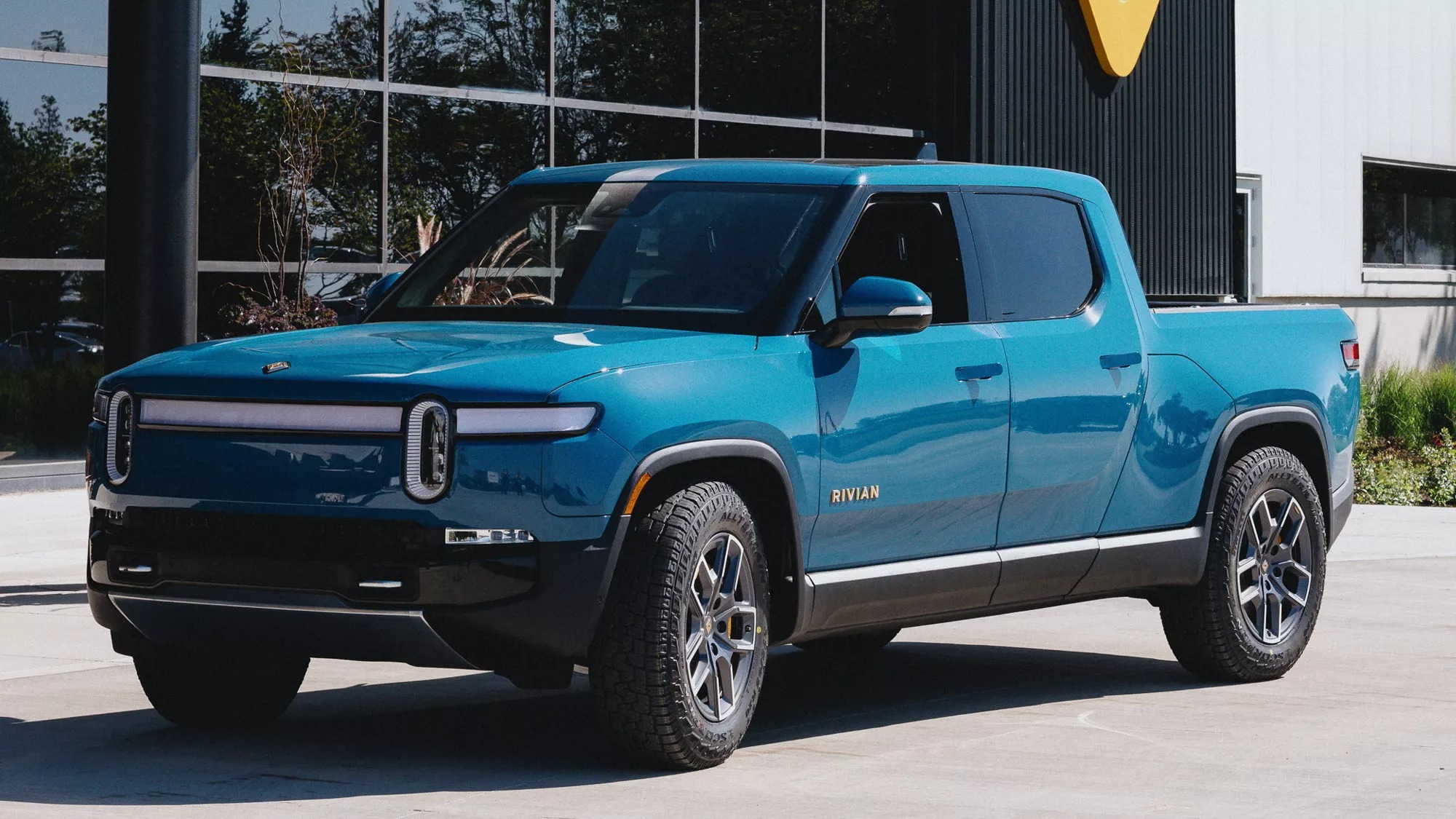
    Rivian Automotive has been sued by a group of customers who allege the electric vehicle maker misrepresented the self-driving capabilities of its first-generation R1T pickup truck and R1S sport utility vehicle.

    The proposed class action lawsuit claims Rivian promoted the vehicles as being capable of receiving advanced autonomous driving functions through future software updates, despite lacking the hardware required to achieve those capabilities.

    The complaint focuses on first-generation R1 vehicles sold before the introduction of Rivian’s updated autonomous driving platform.

    Customers Challenge Autonomous Driving Promises

    According to the lawsuit, Rivian represented that early R1T and R1S models would eventually be capable of Level 3 autonomous driving, a classification that allows a vehicle to perform steering, acceleration, and braking functions without driver intervention under certain conditions.

    The plaintiffs argue that the vehicles were never equipped with the cameras, sensors, computing systems, and other hardware necessary to support such functionality.

    “In reality, Rivian manufactured its Gen 1 Vehicles without the hardware, cameras, sensors, and compute to enable hands-free driving and/or Level 3 autonomous operation,” the complaint states.

    The lawsuit further alleges that no future software update could overcome the limitations of the original hardware architecture.

    “No software update — no matter how sophisticated — will enable its Gen 1 Vehicles to perform as advertised,” the complaint states.

    Allegations of Misleading Marketing

    The plaintiffs contend that Rivian continued promoting the future autonomous driving potential of its vehicles despite allegedly knowing that the first-generation platform would not be capable of delivering Level 3 autonomy.

    “Rivian unquestionably knew that its Gen 1 Vehicles would never be capable of Level 3 autonomy or ‘true hands-free driving’ yet continued to tout the supposed capabilities of its vehicles to induce consumers to purchase them,” the complaint alleges.

    The lawsuit seeks class action status on behalf of owners of affected vehicles.

    Rivian has not publicly responded to the allegations.

    Newer Vehicles Receive Hands-Free Driving Features

    The legal action comes as Rivian continues expanding its driver-assistance offerings on newer vehicle platforms.

    Late last year, the company introduced its Universal Hands-Free Driving feature, which enables hands-free operation on approved roads under certain conditions.

    The technology is available on Rivian’s second-generation R1 vehicles and is expected to form part of the company’s upcoming R2 vehicle lineup.

    The newer vehicles feature upgraded autonomous driving hardware, including enhanced sensors and significantly greater computing power than the first-generation models.

    Growing Scrutiny of Autonomous Driving Claims

    The case highlights increasing legal and regulatory attention on how automakers market advanced driver-assistance and autonomous driving technologies.

    As vehicle manufacturers compete to introduce increasingly sophisticated automated driving features, consumers and regulators have placed greater scrutiny on claims regarding future software upgrades and autonomous driving capabilities.

    The lawsuit could become an important test of how courts evaluate promises related to future vehicle functionality and the extent to which automakers must disclose hardware limitations when marketing advanced technology features.

    Source: EVMagz

    ADAS Automotive Industry Automotive Technology Autonomous Driving Autonomous Vehicles Class Action Lawsuit Connected Cars Consumer Protection Driver Assistance Systems Electric Vehicles EV Industry Hands-Free Driving Legal Dispute Level 3 Autonomy North America Rivian Rivian R1S Rivian R1T Rivian R2 RJ Scaringe Self-Driving Technology Software Updates United States Universal Hands-Free Driving Vehicle Automation Vehicle Software
    Follow on Google News Follow on Flipboard
    Share. Facebook Twitter Pinterest LinkedIn Tumblr Telegram Email Copy Link
    Previous ArticleAmazon Secures 600 MW of Power From Germany’s Largest Planned Baltic Sea Wind Farm
    Gary Russell
    • Website

    Studied in management and journalism. Gary been covering the startup and e-business scene since 2017.

    Related Posts

    CATL Invests in Nuclear Fusion Startup Beta Fusion

    June 15, 2026

    Recycled Tyres Could Hold the Key to Quieter Electric Vehicles, German Researchers Find

    June 14, 2026

    Peugeot Revives GTi Badge with 280 hp Electric E-208

    June 13, 2026
    Add A Comment
    Leave A Reply Cancel Reply

    Latest Post

    Rivian Faces Class Action Lawsuit Over Self-Driving Claims for Early R1 Models

    June 22, 2026

    Amazon Secures 600 MW of Power From Germany’s Largest Planned Baltic Sea Wind Farm

    June 20, 2026

    Asus Launches ROG Strix Scar 18 (2026) Globally with 4K 240Hz Mini LED Display

    June 20, 2026

    Eazeye Launches Radiant Monitor 2 with Sunlight-Readable Transflective Display

    June 20, 2026

    Samsung Unveils The Frame Hospitality TV for Hotels with AI Wallpapers and Guest-Centric Features

    June 20, 2026
    About

    Teknowire is a dedicated technology news portal that delivers the latest insights, trends, and developments shaping the future of innovation. From breakthroughs in consumer electronics and artificial intelligence to emerging startups, software trends, and global tech policy, we bring our readers accurate, timely, and accessible coverage of the world’s most dynamic industry.

    Founded with a mission to simplify complex technology for a broader audience, Teknowire serves professionals, enthusiasts, entrepreneurs, and everyday users who want to stay informed about how technology is transforming business, society, and daily life. We prioritize clarity, depth, and reliability in every story — whether it’s a breaking headline, a product launch, or an in-depth feature.

    Subscribe

    Subscribe to Updates

    Get the latest tech news from Teknowire.

    Policies
    • Ownership & Funding
    • Editorial Policy
    • Privacy Policy
    • Actionable Feedback Policy
    • Artificial Intelligence (AI) Policy
    • Cookie Policy
    • Corrections Policy
    • Diversity Policy
    • Ethics Policy
    Facebook X (Twitter) Instagram Pinterest Threads
    • Home
    • About Us
    • Advertising
    • Privacy Policy
    • Cookie Policy
    • Artificial Intelligence (AI) Policy
    • Contact
    © 2026 Teknowire. Designed by Teknowire.

    Type above and press Enter to search. Press Esc to cancel.

    Go to mobile version