
Researchers investigating how memory is formed and stored in the human brain are using NVIDIA graphics processors, artificial intelligence tools and virtual reality software to analyze large-scale neural data, according to a press release from NVIDIA.
The work is being carried out by scientists from New York University and the University of Wisconsin–Madison at the Marine Biological Laboratory in Woods Hole, Massachusetts. Their research centers on the hippocampus, a brain structure critical to memory, with the goal of understanding how experiences alter neural pathways at a molecular level.
See also: Robot Bartender Powered by Nvidia Technology Debuts at Las Vegas Hockey Arena
The team studies protein markers within brain cells that are believed to play a role in memory encoding. These markers are difficult to identify because they represent only a small fraction of the total structures in the hippocampus, making traditional analysis slow and labor-intensive.
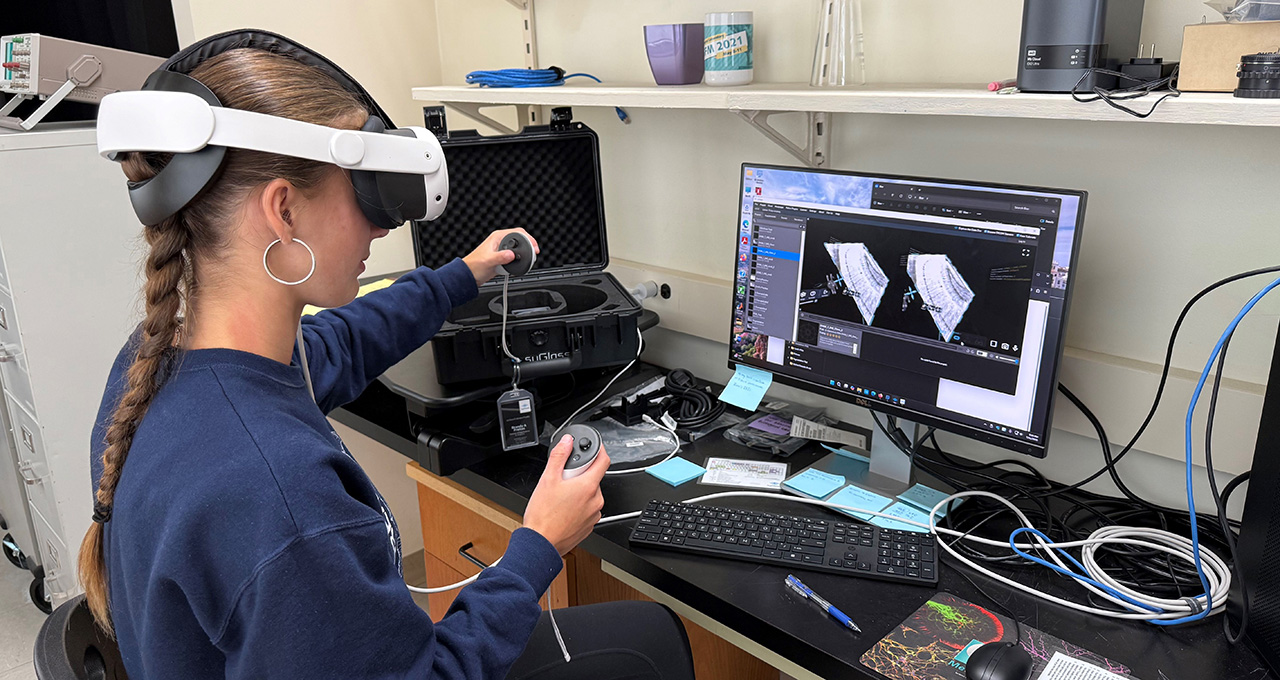
To address this challenge, the researchers integrated NVIDIA RTX GPUs with HP Z workstations and the syGlass virtual reality platform, allowing them to capture, store and visually inspect high-resolution 3D images. Using the system, the group has collected roughly 10 terabytes of volumetric data, enabling more efficient analysis of brain cell structure and function.
See also: NVIDIA and Synopsys Expand Partnership to Accelerate AI-driven Engineering and Product Design
The researchers said that improved understanding of memory mechanisms could support future studies into neurological and neuropsychiatric disorders such as Alzheimer’s disease and dementia. The project has also expanded into education, with high school students using VR tools to assist in identifying memory-related proteins, an effort the team plans to scale up in future research programs.
Source: NVIDIA