
Nintendo’s recent attempt to secure a patent covering creature-summoning and battling mechanics has entered review by the United States Patent and Trademark Office (USPTO), following widespread criticism from gamers. The decision, considered rare within the agency, suggests that public opinion may have influenced the review process.
According to legal analysts, only a small fraction of patent reviews are initiated directly by the USPTO director, indicating the case’s unusual nature. Observers believe that the level of online debate surrounding the patent and its perceived overreach likely contributed to the reconsideration. The filing, which seeks protection for gameplay systems similar to those found in many existing titles, has reignited discussion about the limits of intellectual property in interactive entertainment.
See also: Pocketpair Confirms Palworld 1.0 Release for 2026 Despite Nintendo Lawsuit
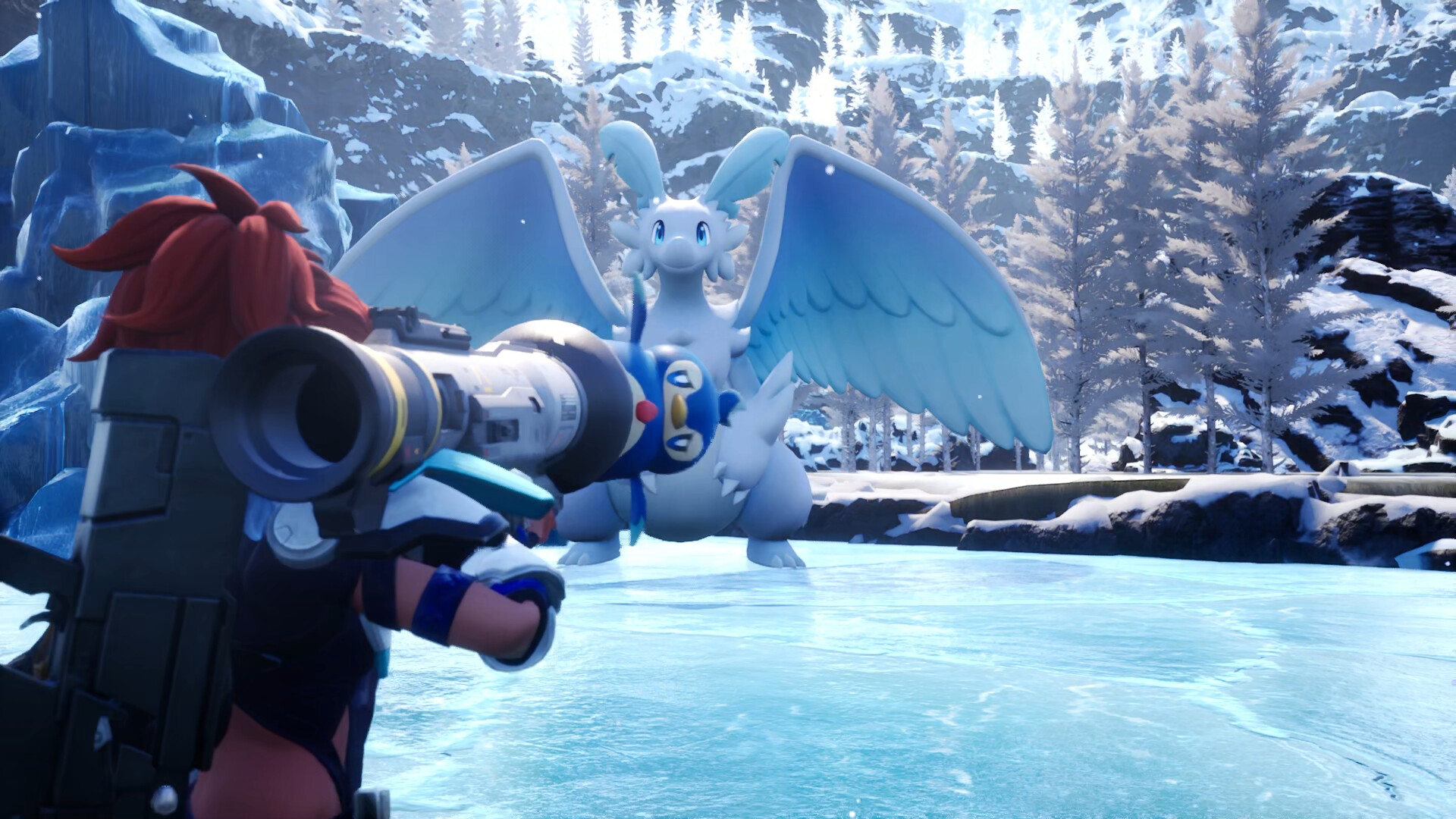
The development comes as Nintendo continues its legal dispute with Palworld developer Pocketpair, whose game includes monster-catching features resembling Pokémon. Although the patent under review is not directly linked to the lawsuit, both matters reflect growing industry concerns about how far companies can extend control over common game mechanics.
Experts have cautioned that while public scrutiny can help expose questionable claims, excessive influence from online communities could undermine the integrity of patent law. The challenge, they note, lies in balancing transparency with legal rigor to ensure that decisions are based on established standards rather than popularity or sentiment.
Nintendo has also faced similar resistance in Japan, where the Japan Patent Office (JPO) recently rejected a related application involving aiming, stunning, and capturing gameplay. The rejection cited existing precedents in titles such as Craftopia, ARK: Survival Evolved, and Pokémon Go. This setback may strengthen the arguments of Pocketpair’s legal team as proceedings continue in the United States.
See also: Nintendo Backs Stricter Generative AI Regulations in Japan
Critics warn that overly broad patents could stifle creativity in the gaming industry, restricting innovation and discouraging smaller studios from developing similar mechanics. They argue that some of the gameplay systems described in Nintendo’s filings have existed long before the company incorporated them into its own titles, raising questions about ownership and originality in game design.
Source: Games Radar