
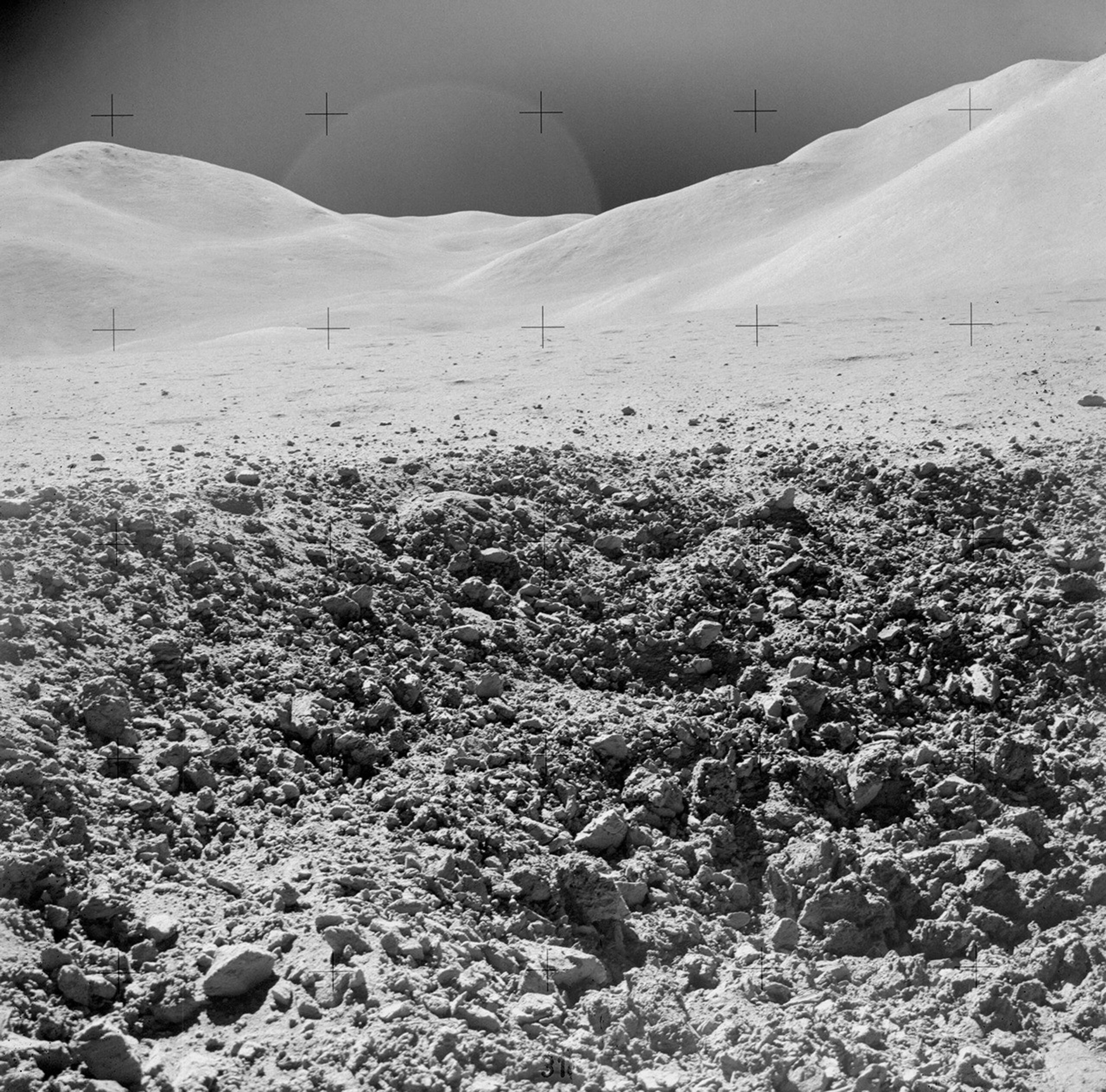
New research from NASA has found that meteorites may not have played a major role in supplying water to Earth, challenging earlier theories about the planet’s origins and highlighting the value of decades-old lunar samples.
The study examined lunar regolith — the dusty material covering the Moon’s surface — collected during the Apollo missions. Using a new analytical approach based on oxygen-isotope measurements, researchers sought to better understand how much water was delivered to rocky bodies in the inner solar system by meteorite impacts.
See also: NASA Satellite Imagery Supports Oyster Aquaculture in Maine
Scientists have traditionally relied on so-called metal-loving elements to trace meteorite contributions, but those elements can be disturbed and mixed by repeated impacts over billions of years. The oxygen-isotope method avoids that problem, as oxygen is stable against such processes and is the most abundant element in rocks by mass, the researchers said.
The results showed that late-arriving meteorites, which struck Earth and the Moon more than four billion years ago, delivered a meaningful amount of water to the Moon. However, when scaled to Earth’s oceans, the contribution was far smaller. On an Earth-wide level, the findings suggest the water supplied by these meteorites was “insignificant for Earth,” the study said.
See also: NASA Evaluates Blockchain Technology For Air Traffic Data Security
The research was published in the Proceedings of the National Academy of Sciences. Scientists said the findings demonstrate how samples returned more than 50 years ago continue to yield new insights, and they expressed anticipation for future lunar material expected from upcoming missions such as NASA’s Artemis III.
Source: Nasa