
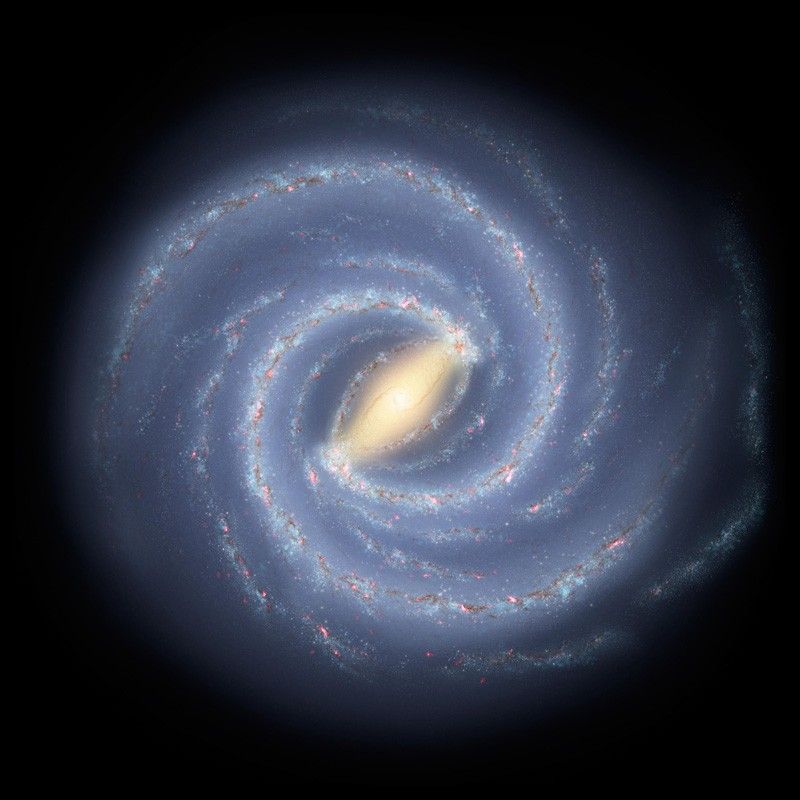
NASA has outlined plans to use the Nancy Grace Roman Space Telescope to conduct an extensive infrared survey of the Milky Way, a project expected to uncover vast numbers of stars obscured by interstellar dust and provide a more complete picture of the galaxy’s structure.
The Milky Way stretches more than 100,000 light-years across and is believed to contain over 100 billion stars, many of which are hidden from view in visible light. Previous missions such as the European Space Agency’s Gaia spacecraft were able to chart about two billion stars, but struggled to observe the most crowded and dust-heavy regions of the galactic disk.
See also: Astronomers Identify Longest Gamma-ray Burst Ever Recorded
Roman, which is scheduled for launch in May 2027 and could potentially fly earlier if preparations are completed ahead of schedule, will use its infrared instruments to penetrate these dense areas. During its first two years of operations, the telescope will carry out the Galactic Plane Survey as part of its five-year primary mission.
The survey will cover roughly 700 square degrees along the Milky Way’s bright central band, an area comparable to about 3,500 full moons. Although the total observing time amounts to just 29 days, the observations will be distributed over two years to maximize coverage and data quality.
NASA expects the survey to reveal previously unseen details of the Milky Way, improving scientific understanding of how stars form, evolve and interact with their surroundings, while also shedding new light on the overall composition and history of the galaxy.