
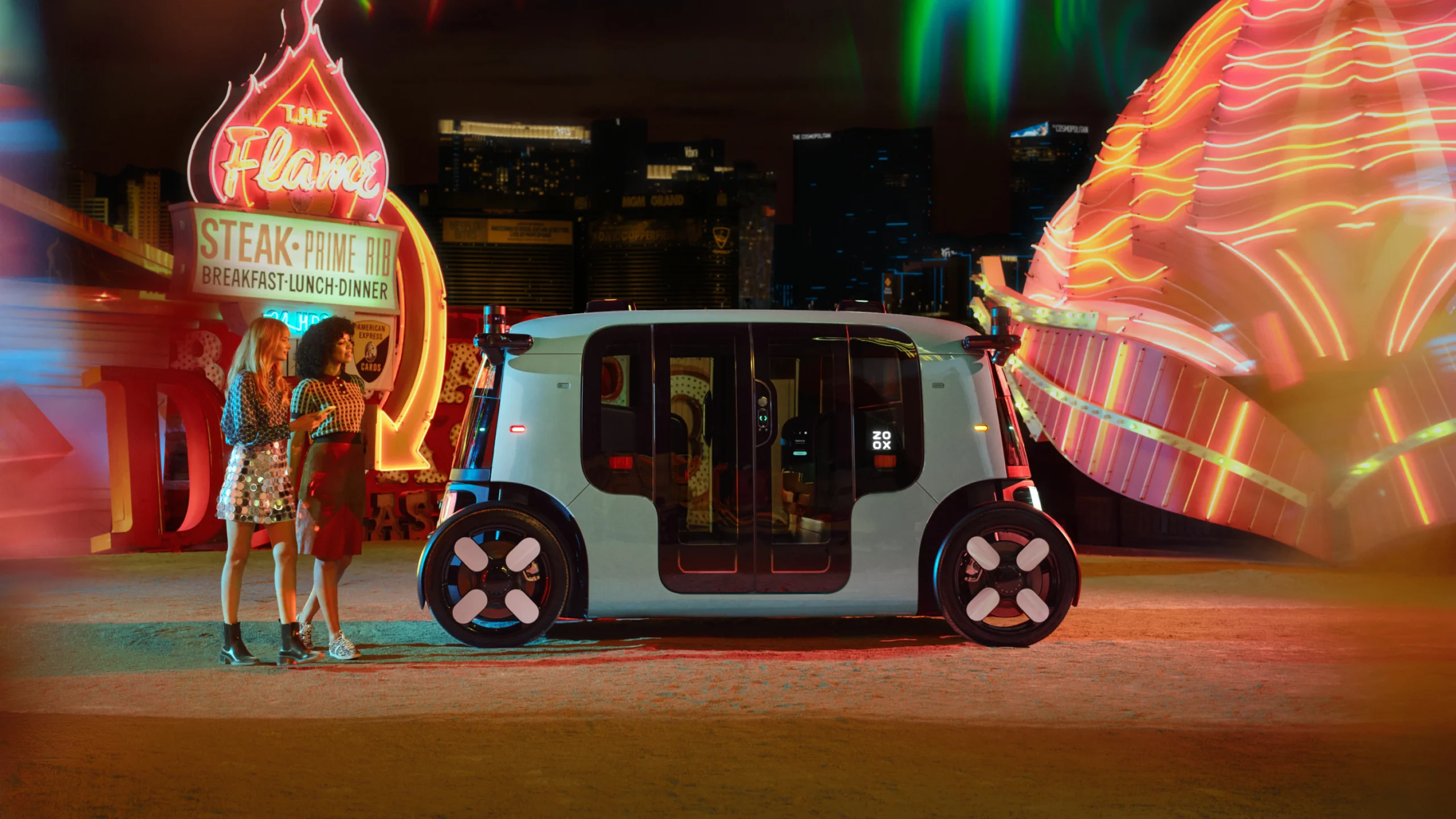
Amazon-owned autonomous vehicle company Zoox has issued a voluntary software recall affecting 332 vehicles after identifying behavior that could cause its driverless cars to cross center lane lines near intersections or block crosswalks, according to documents filed with the U.S. National Highway Traffic Safety Administration (NHTSA).
The company said no collisions have been linked to the issue, but warned in the filing that the behavior could increase the risk of a crash. Zoox operates driverless vehicles offering free rides to the public in parts of San Francisco and Las Vegas.
See also: Tesla Readies Redesigned Cybercab as Robotaxi Expansion Nears
A Zoox spokesperson said the company found instances in which its vehicles made maneuvers that did not meet its internal standards, even if similar actions are sometimes made by human drivers. “For example, in an effort to avoid blocking certain intersections at a red light, the robotaxi might stop in a crosswalk,” the spokesperson said, adding that in other cases the vehicle made a late turn that resulted in a wide turn.
The issue was first identified on Aug. 26, when a Zoox robotaxi made a wide right turn and partially crossed into an opposing travel lane before temporarily stopping, the NHTSA filing showed. Zoox later identified 62 similar lane-crossing incidents between Aug. 26 and Dec. 5 and said it was in “ongoing conversations with NHTSA about the frequency, severity, and root causes of these occurrences.”
See also: Waymo Halts San Francisco Robotaxi Service After Citywide Power Outage
Zoox said it deployed software updates on Nov. 7 and again in mid-December to address the problems. “We have successfully identified and deployed targeted software improvements to address the root causes of these incidents,” the company said, adding that it submitted the recall because “transparency and safety is foundational to Zoox.” The recall applies to vehicles operating on public roads between March 13 and Dec. 18, and follows several other Zoox software recalls this year tied to braking and road-user prediction issues.
Source: TechCrunch