
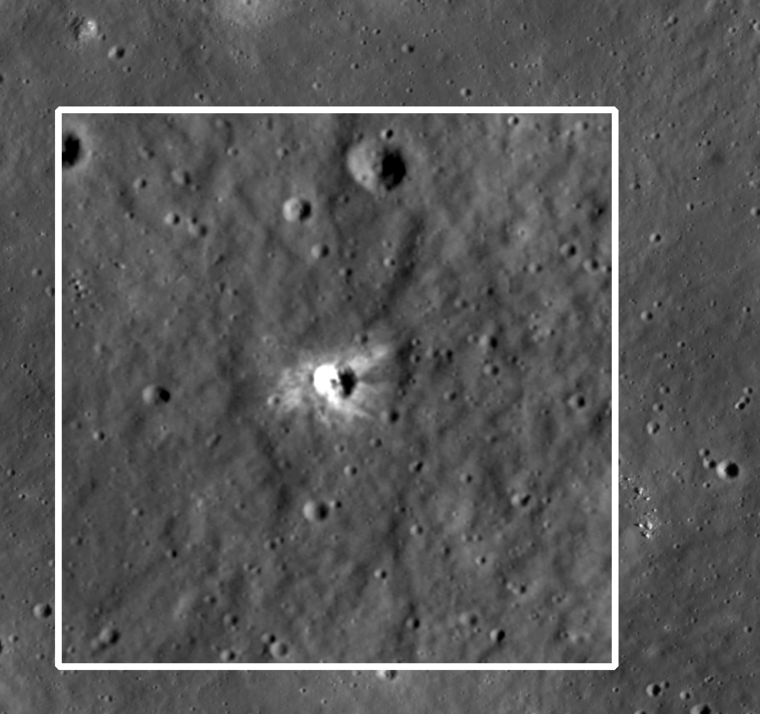
Astronomers have identified a previously unknown crater on the Moon measuring about 22 meters in diameter, a discovery researchers say could help improve planning for upcoming lunar expeditions. The finding was made using images captured by the Lunar Reconnaissance Orbiter Camera (LROC), which has monitored the Moon’s surface since 2009.
Initial observations indicate that the impact dispersed debris tens of meters from the site. While some recent amateur telescope recordings in early November showed flashes on the lunar surface, scientists believe this newly detected crater was formed earlier, sometime between 2009 and 2012.
See also: NASA Seeks Volunteers to Help Track Artemis II Moon Mission
The crater is considered small compared with the Moon’s larger geological features, such as the South Pole–Aitken basin, which spans about 2,500 kilometers. Its modest size and location among many other craters likely contributed to it remaining unnoticed until now.
Researchers say the discovery has practical value for future missions. According to the press release cited in the original article, “The LROC discovery of new craters is essential for understanding impact rates and crater degradation rates over time, as well as for planning safe, successful missions to the Moon.”
See also: NASA Selects Blue Origin for Lunar Rover Delivery Option
Understanding how frequently new impacts occur will be vital as space agencies prepare for long-term activity on the lunar surface, including planned crewed bases. The data may also help guide scientists in selecting safer landing zones for upcoming missions.